A tyre pressure monitor that shows no reading, an odd reading or a nagging alarm is frustrating. It's usually easy to sort out. Work through the checks below in order and you'll find the cause most of the time.
This guide is for a screen-and-sensor TPMS. If it's the warning light on your dash you're chasing, see what the TPMS warning light means.
Start with the tyre, not the screen
If the screen says a tyre is low, treat it as real until you've checked. Pull over somewhere safe, look the tyre over and check it with a gauge you trust. A TPMS does not replace checking your tyres.
A reading that drops fast is a real leak until proven otherwise. So is one that slips a little more every day. Only once the tyre checks out is it worth blaming the sensor.
Symptoms at a glance
| What you see | It often means | Check first |
|---|---|---|
| One tyre shows no reading, the rest are fine | That sensor's battery is low, or its signal isn't reaching the screen | The sensor: is it on snugly, and is the battery fresh? |
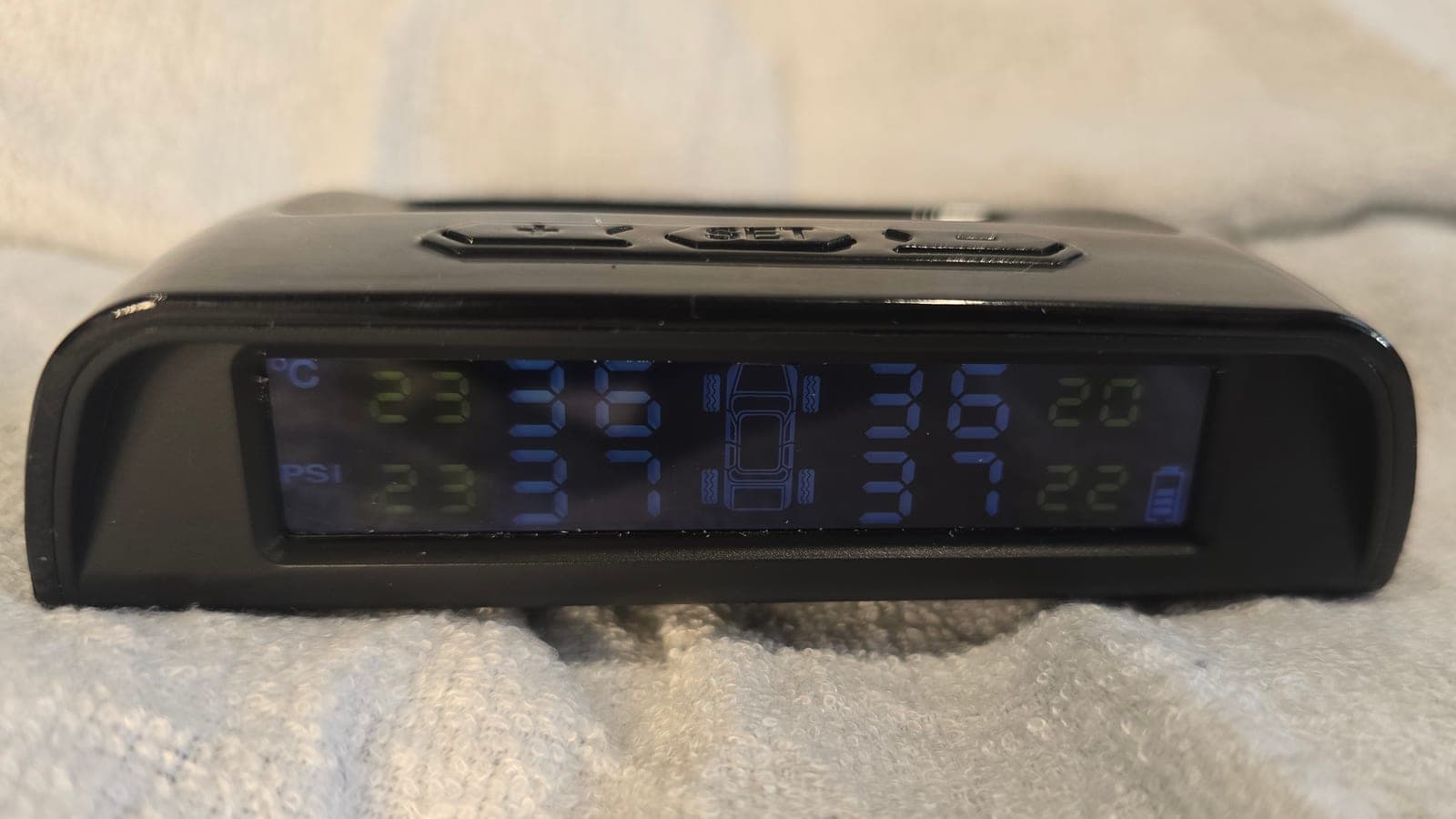
| Every tyre shows no reading | The screen has lost power, or something is blocking the signal | The screen's power, then where it sits |
| A tyre drops out only when you're towing | The distance from sensor to screen is too much for the signal | A booster, or a closer spot for the screen |
| The reading doesn't match your gauge | Gauges and sensors never match exactly, and temperature moves pressure | Check with a second gauge |
| Alarm on a cold morning, gone by lunch | Cold air lowers pressure and driving warms it back up | Top up cold, to the placard pressure |
| Readings climb after a drive | Hot tyres read high. That's normal | Nothing. Never let air out of a hot tyre |
| The screen flags the wrong tyre | Wheels or sensors were moved and the positions no longer match | Which wheel each sensor is on |
Flat or failing batteries
Each sensor runs on a small battery. As it runs down, the sensor can go quiet, report late or drop out now and then. The sensors don't all run down at the same time, so one usually goes before the others.
- One tyre has gone quiet while the rest work? Suspect that sensor's battery first.
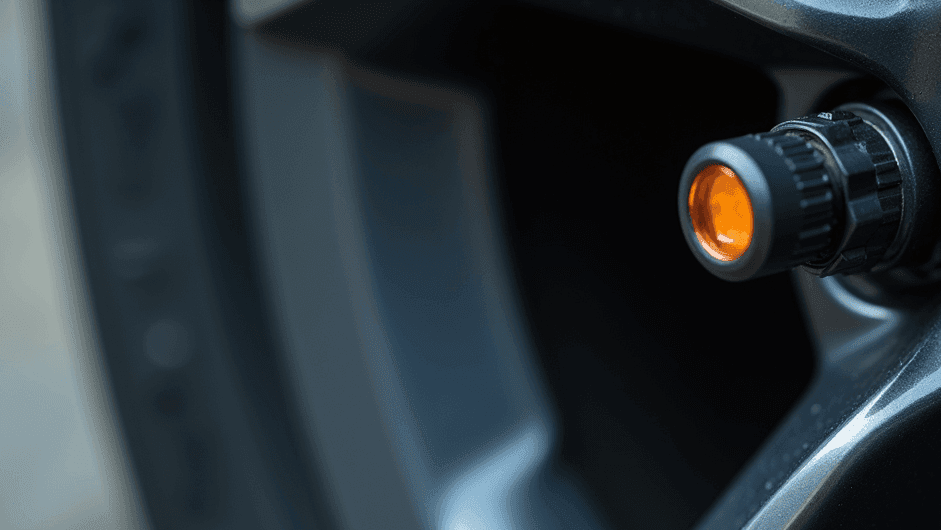
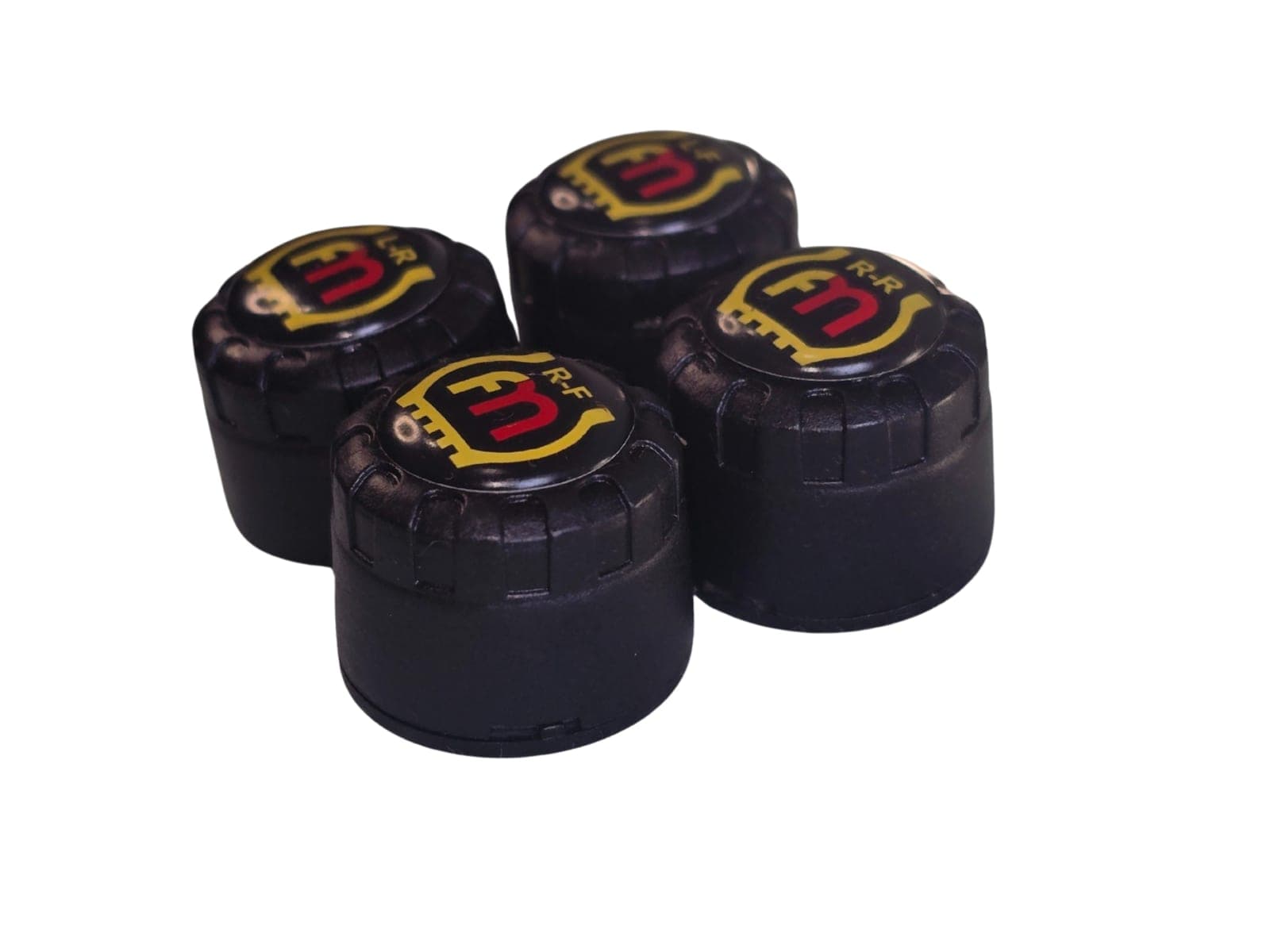
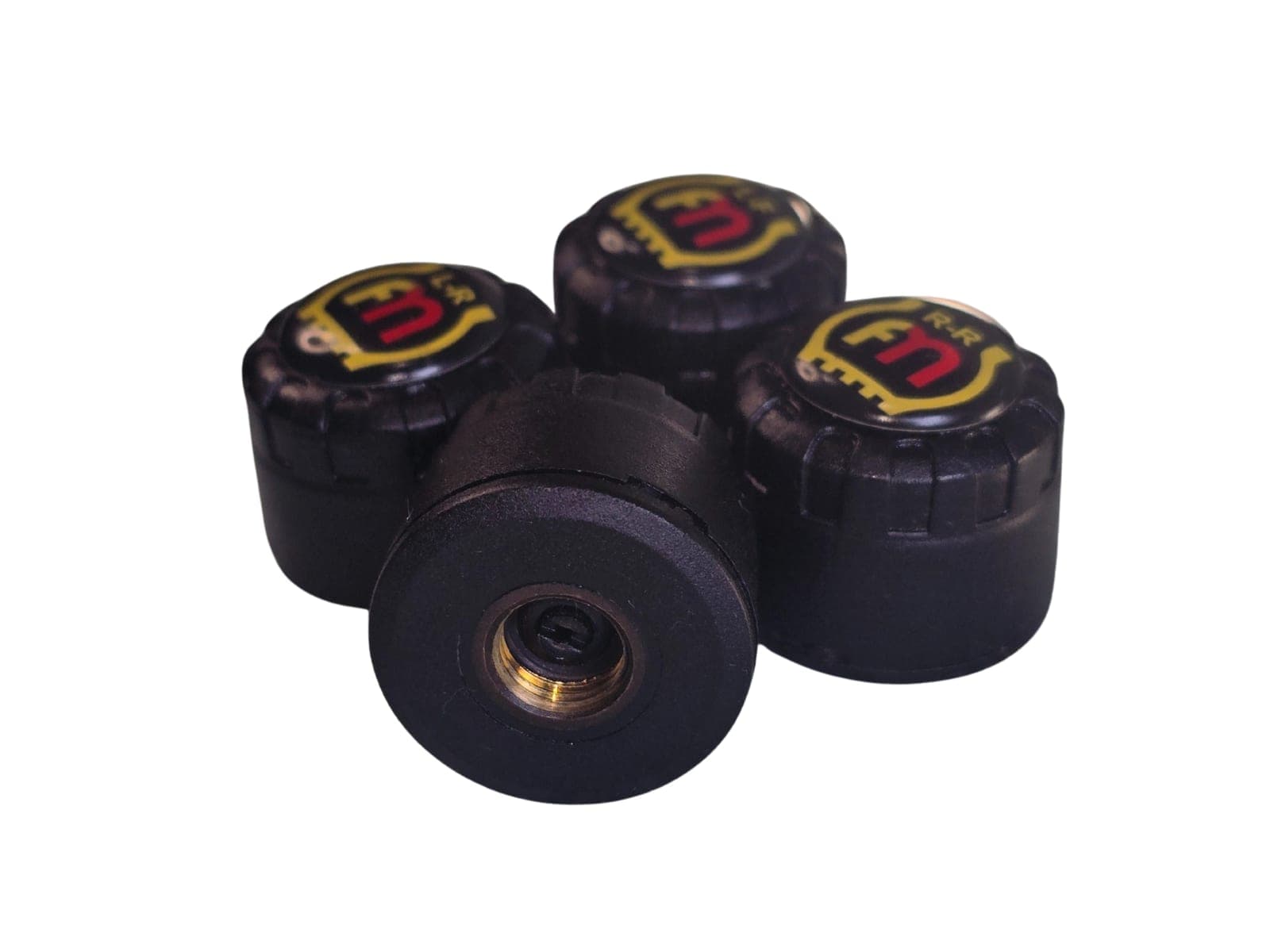
- External sensors screw onto the valve, and you can swap the battery yourself. Fit a fresh battery of the type your sensor takes.
- Internal sensors sit inside the tyre. The battery isn't replaceable, so a tyre shop replaces the whole sensor.
- How long a battery lasts depends on the sensor and how much you drive. Internal vs external sensors explains the difference.
- Refit with care. Check the battery sits the right way round and the cover closes fully, so water stays out. Screw the sensor back on snugly and check no air is escaping at the valve.
Weak or dropped signal
The sensors talk to the screen by radio. Extra distance, or metal in the way, weakens that signal.
- Distance. A long rig puts the rear sensors a long way from the screen. That's where a booster helps. Whether you need one depends on your rig. Do I need a TPMS booster? shows how to tell.
- Metal in the way. Vehicle bodywork and a van's frame sit between sensors and screen, and they soak up signal.
- Screen position. If you can move the screen, try another spot and see whether the missing tyre comes back. If it does, it's a signal problem, not a dead sensor.
- Give it a moment. Some systems only refresh readings every so often, so wait a little before you decide a sensor is dead.
If you tow, the Aura A6 Tow Pack has a booster in the box. Caravan TPMS lists every setup.
False readings
A reading can look wrong and be right, or the other way round.
- Hot tyres read high. Pressure climbs as tyres warm up on a drive. Never let air out of a hot tyre, or you'll set it too low for the next cold start.
- Cold mornings read low. A tyre can dip under the alarm overnight and recover as it warms, but it's still low when cold, so top it up cold. See does tyre pressure change with temperature.
- Your gauge may be the odd one out. Servo gauges can be off, and even a good gauge differs a little from a sensor. A small gap is normal. A big one is worth a second opinion. How to check tyre pressure covers using the placard figure, not the sidewall.
- The wrong tyre is named. After a wheel rotation, a tyre change or moving sensors about, the screen can show readings against the wrong position. Check which wheel each sensor is on, and follow the instructions that came with your kit if the positions need setting again.
- The alarm never stops. Check the low-pressure alarm level you set. If you've aired down for sand, you'll want it lower. See TPMS for beach driving.
When to stop and check by hand
- A tyre that reads low and keeps dropping, or one that simply looks low: stop somewhere safe and check it.
- A sensor that has gone quiet isn't watching that tyre. Check that tyre by hand before each trip until it's sorted.
- Never write off a low reading as a faulty sensor if it could be real.
Not sure what you're looking at? Here's why tyres go flat and what to do about it.
Still stuck?
Tell us which kit you have, which tyre is playing up and what the screen shows. Contact us and we'll help you work it out.
Not sure what your rig needs? Email us your rig: info@flatmate-tpms.com