


Does Tyre Pressure Change With Temperature? What Every Driver Should Know
Yes — tyre pressure changes with temperature, by roughly 1 psi for every 10°C. Pressures drop on cold mornings, rise 4–6 psi with highway heat, and read higher on the side of the car that's been sitting in the sun. That's why recommended pressures are “cold” pressures — set them before driving, and never bleed air from hot tyres.
How much does tyre pressure change with temperature?
The working rule used across the tyre industry: about 1 psi (roughly 2 per cent) per 10°C of temperature change. An 8°C dawn start that becomes a 30°C afternoon moves your pressures 2–3 psi on ambient temperature alone — before you add the heat generated by driving, which typically lifts pressures another 4–6 psi on a highway run.
Why does my pressure light come on in the morning and go off later?
Cold overnight air contracts, pressure dips below your car's alert threshold, and the light comes on. Twenty minutes of driving warms the tyres, pressure climbs, the light goes out — and drivers conclude it was a glitch. It wasn't: the tyres really are under-inflated at their cold baseline. Top them up cold and the morning alerts stop.
What about hot weather, towing and long highway runs?
Rising pressure in a working tyre is normal physics, not a fault — a tyre that starts at 45 psi cold can legitimately read over 50 psi hot. What matters is the starting point: a tyre that begins the day under-inflated flexes more, and flexing is what generates the heat that delaminates rubber. That's why blowouts cluster on hot afternoons with heavy loads. Towing? The 4psi rule in our caravan guide is the simple way to confirm your cold pressures are right, and a TPMS with temperature readings flags a tyre that's running hotter than its mates — the classic early sign of trouble.
Should you let air out of hot tyres?
No. Bleeding a hot tyre down to the placard number leaves it under-inflated once it cools — you've now built tomorrow's heat problem into today's “fix”. Set pressures cold, and let hot readings run high; the placard figure already allows for it.
Frequently asked questions
Should I run different pressures in winter and summer?
Same target, checked more often. The placard figure doesn't change with the season — but the weather moves your tyres away from it, so re-check with each cold snap or heatwave.
Why do tyres on one side of the car read higher?
Sun. A panel-side in full sun can add a couple of psi versus the shaded side. Check pressures in the shade or early in the day for consistent numbers.
Does nitrogen fix temperature swings?
It reduces them slightly — nitrogen expands marginally less than air and migrates through rubber more slowly — but it doesn't repeal physics. For road cars, correct pressures checked regularly beat any gas choice.
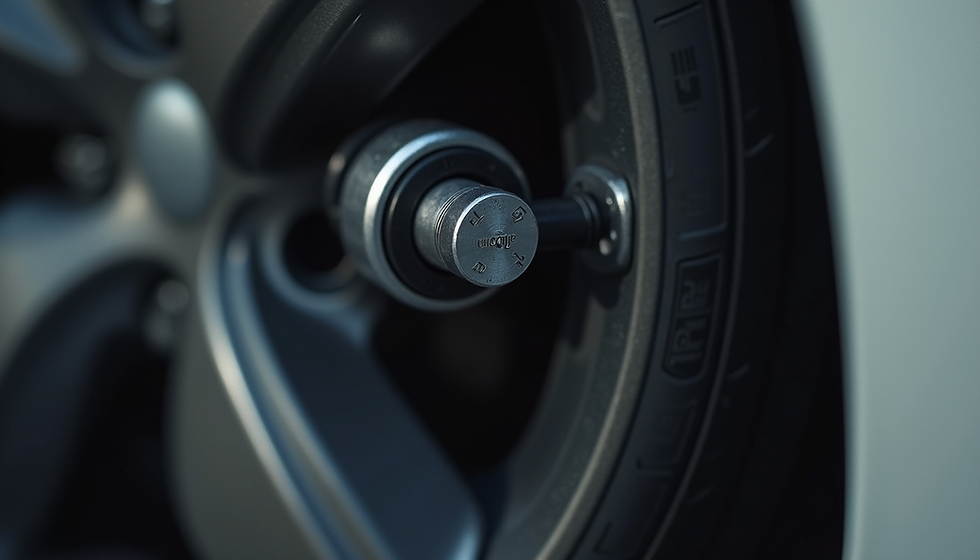
Watch it happen live: a Flatmate TPMS shows pressure and temperature per tyre in real time. Questions? 0448 626 964.

Comments