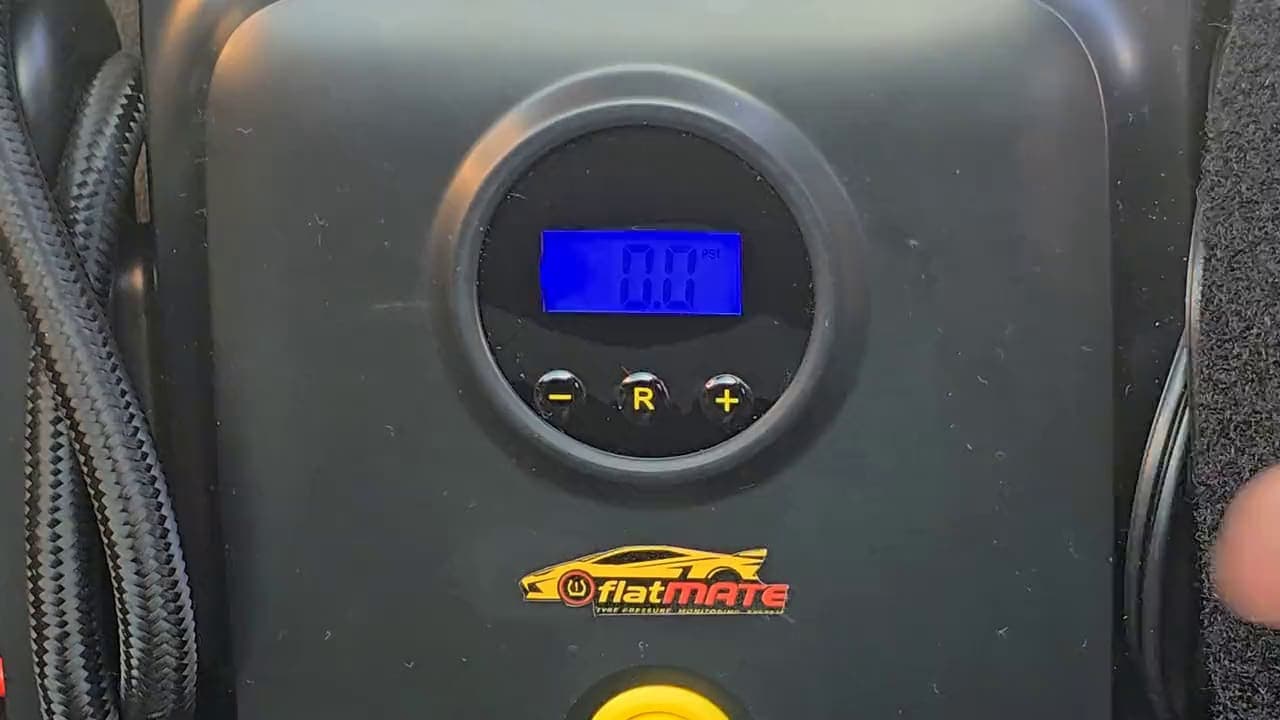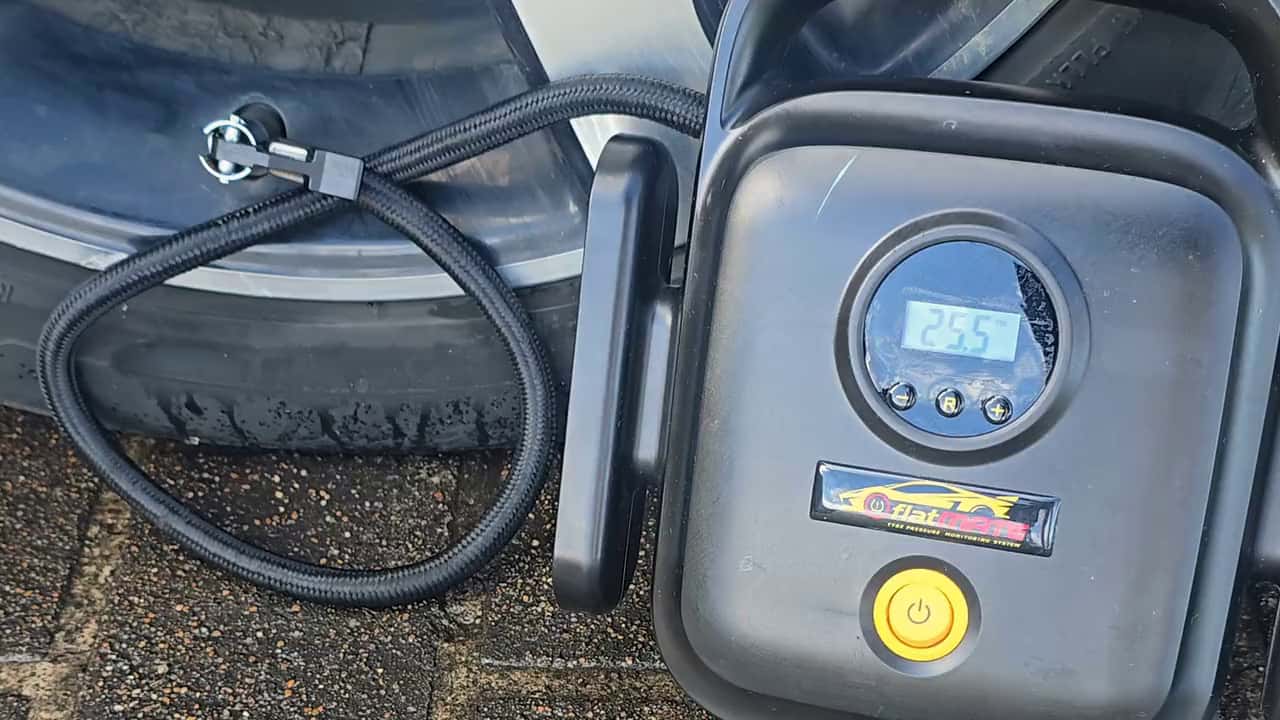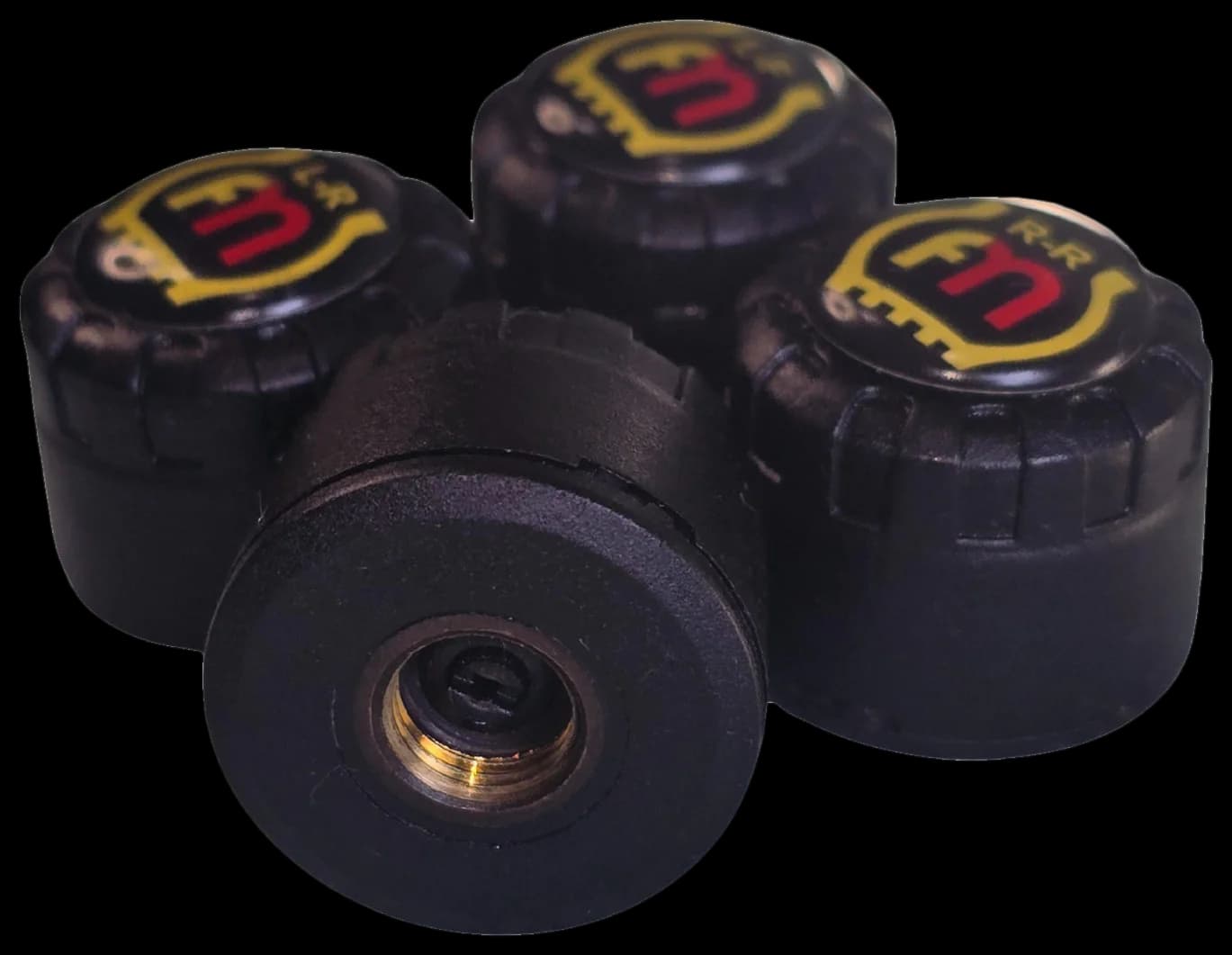

That hiss, then the thump of a flat. It happens to everyone sooner or later. Knowing why tyres go flat helps you avoid most of them, and handle the rest. This guide is about causes and what to do. To set the right pressure, see caravan tyre pressure or the 4WD tyre pressure guide.
Common causes of flat tyres
Punctures
Nails, screws and glass can go through the tread and let air out, slowly or all at once. A slow leak often goes unnoticed until the tyre is well down.
- Look for anything stuck in the tread.
- Steer around debris when it's safe to.
- A tyre pressure monitor shows a slow leak before you'd see it.
Valve stems
The valve stem is where you pump air in. If it's cracked, damaged or corroded, air escapes.
- Check valve stems for cracks.
- Replace missing valve caps to keep dirt and moisture out.
- Ask for new valve stems when you get new tyres.
Worn or damaged tyres
Rubber wears thin over time. Cuts, cracks and bulges in the sidewall are warning signs.
- Look over your tyres monthly.
- Replace bald or damaged tyres.
- Rotate tyres as your service book says, so they wear evenly.
Wrong pressure
Too little or too much air wears tyres unevenly and makes a failure more likely. It's easy to miss because pressure drops slowly.
- Check pressure at least monthly and before long trips, with a good gauge.
- Use the placard figure, usually on the driver's door jamb. Here's how to check tyre pressure.
Rough roads
Potholes, kerbs and rough tracks can damage tyres and rims and start a slow leak.
- Slow down over rough patches and near kerbs.
- Check your tyres after a rough drive.
Why a tyre goes flat suddenly
- A big puncture. A large object, or one that hits at a bad angle, can let air out fast.
- A tyre failure. A weak spot such as a bulge, cut or worn tread gives way. Wrong pressure and heat make it more likely.
- A valve stem failure. The stem snaps or the valve core fails.
- Rim damage. A bent or cracked rim breaks the seal between tyre and rim.
If it happens: stay calm, ease off and pull over somewhere safe, then turn on your hazard lights.
How to prevent flat tyres
- Inspect regularly. A quick look for damage, wear and pressure saves a lot of hassle.
- Watch your pressure. A TPMS warns you when a tyre drops below your alarm level.
- Avoid road hazards when it's safe to.
- Replace tyres on time. Don't run worn tyres to the limit.
- Carry a spare and tools, and check the spare's pressure too.
For a car, the Sentinel TPMS plugs into the 12 V socket and shows pressure and temperature for all four tyres. Towing, or driving something bigger? Compare every kit. A TPMS does not replace checking your tyres.
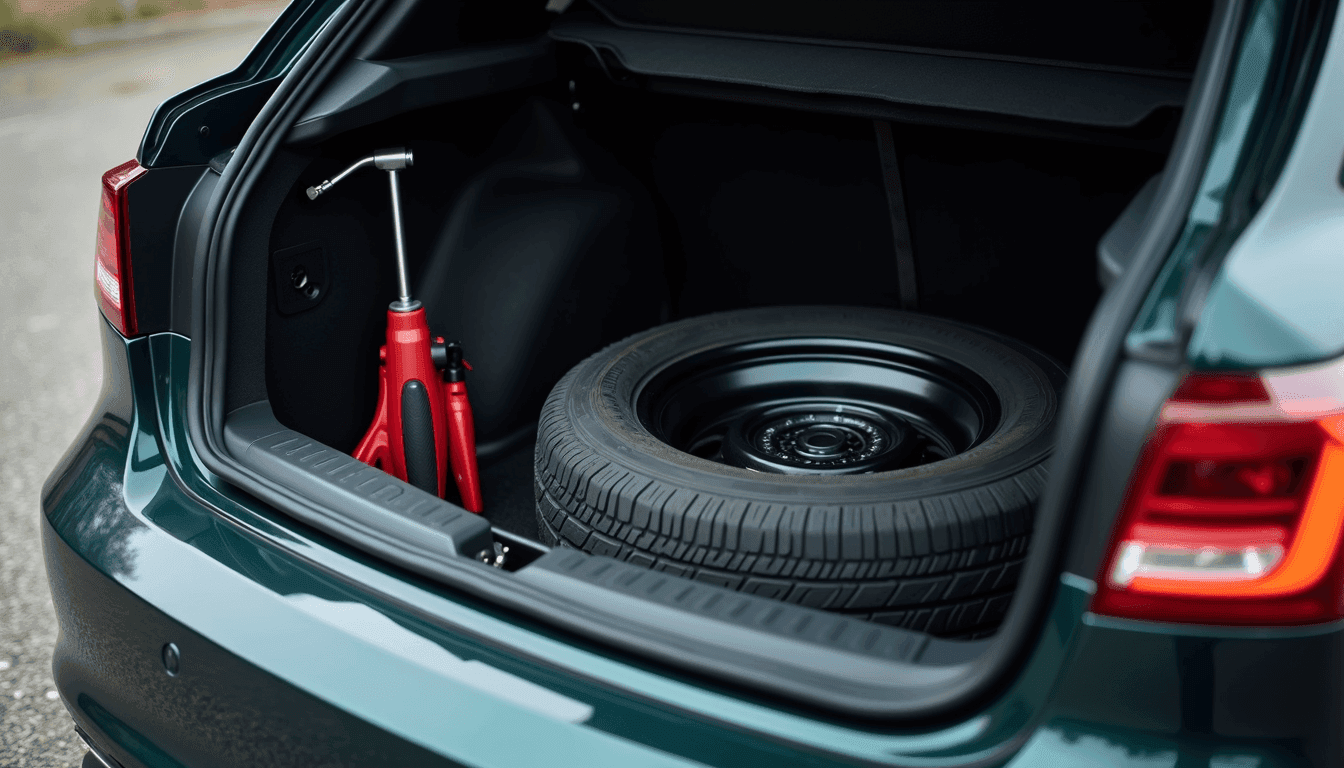

What to do when you get a flat
- Find a safe spot, away from traffic and on flat ground.
- Turn on your hazard lights.
- Get out the jack, wheel brace and spare.
- Loosen the wheel nuts a little. Don't take them off yet.
- Jack up the car at the point your owner's manual shows.
- Take off the nuts and the flat tyre.
- Fit the spare and screw the nuts on by hand.
- Lower the car and tighten the nuts with the wheel brace.
- Check the spare's pressure before you drive on. A Surge Portable Air Pump in the boot tops it up.
- Get the flat repaired or replaced at a tyre shop.
Not comfortable changing a tyre? Call roadside assistance. For more everyday checks, see our pre-trip tyre check.
Not sure what your rig needs? Email us your rig: info@flatmate-tpms.com