


Why Global Conflict is Driving Up Aussie Fuel Prices (And How to Fight Back on Your Next Road Trip)
- Mar 16
- 3 min read
If you have towed a caravan or filled up your 4WD recently, you have felt the sting. Across Australia, fuel prices have surged to eye-watering levels, with diesel hitting ~253.6¢/L in the Northern Territory and hovering around ~249.8¢/L in Victoria.
For Aussies planning their dream "lap of the map" or just a weekend away, the budget is taking a massive hit. But why exactly are we paying the price at the local servo for conflicts happening on the other side of the world? And more importantly, what can you actually do to protect your travel budget?
Here is a breakdown of why global conflicts cause fuel spikes, and the number one mechanical tweak you can make to your rig to offset the cost.
Why War Makes Your Diesel More Expensive
Australia relies heavily on imported refined fuel and crude oil. When geopolitical tensions and wars erupt, it triggers a domino effect across the global supply chain. Here is exactly why the price skyrockets:

1. The "Risk Premium" on Crude Oil
The global oil market operates on futures and predictions. When a conflict breaks out—especially near major oil-producing regions or transit choke points—traders panic about potential shortages. This panic adds a "risk premium" to the price of crude oil. Even if the supply hasn't been cut off yet, the fear that it might be is enough to drive up the cost per barrel instantly.
2. Supply Chain Rerouting and Freight Costs
War zones are not safe for massive oil tankers. When conflicts threaten major shipping lanes (like the Red Sea or the Suez Canal), commercial vessels are forced to take massive detours. Rerouting a ship around the horn of Africa adds weeks to the journey. This means massive increases in shipping insurance, crew wages, and the fuel required just to transport the fuel. Those extra freight costs are passed directly to you at the bowser.
3. The Weakening Aussie Dollar
During times of global war and economic uncertainty, international investors flock to "safe haven" currencies, usually the US Dollar. As a result, the Australian Dollar often drops in value. Because global oil is bought and sold in US Dollars, a weaker Aussie dollar means it costs our fuel retailers more to buy the exact same amount of fuel.
Controlling What You Can Control: The Fuel-Saving Power of a TPMS
You cannot control global supply chains, international conflicts, or the price on the servo sign. But you can control how efficiently your 4WD and caravan use that expensive fuel.
When diesel is sitting at nearly $2.50 a litre, you cannot afford to waste a single drop. Yet, thousands of Aussies are unknowingly burning through their fuel budget because of one invisible issue: Under-inflated tyres.
The "Rolling Resistance" Tax
If the tyres on your tow vehicle or heavy caravan are even 4 to 5 PSI below their optimal pressure, they sag. This increases the surface area touching the road, drastically increasing rolling resistance. Your engine has to work significantly harder to drag that weight along the highway.
Towing a 3-tonne van with soft tyres is like running on the beach in work boots—it drains your energy (and your fuel tank) twice as fast.
The TPMS Solution
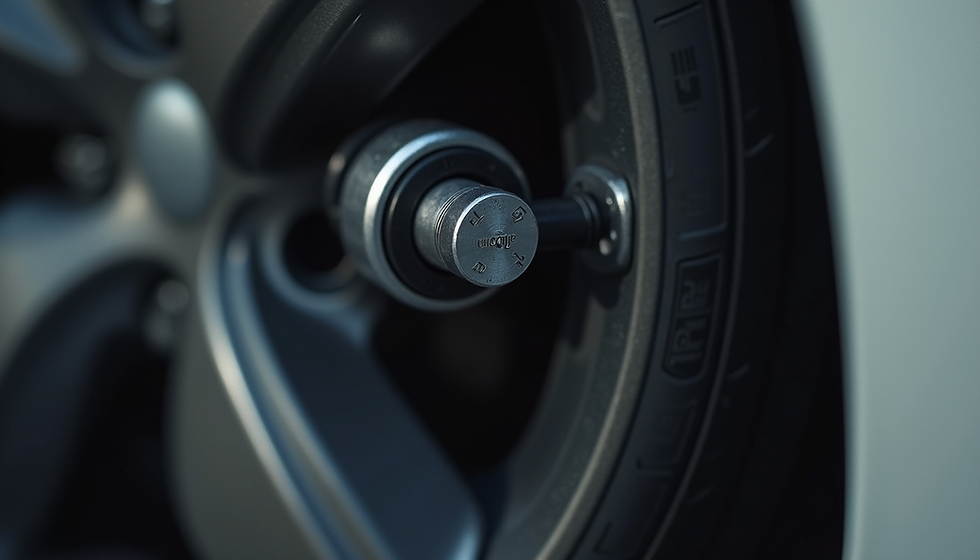
This is where a Heavy-Duty Tyre Pressure Monitoring System (TPMS) becomes an investment, not an expense. By installing a system like the Flatmate TPMS, you get real-time data on every single tyre on your rig.
Stay in the Green Zone: By ensuring your tyres are always at the perfect pressure for the load and conditions, you minimize rolling resistance and maximize your fuel economy.
Catch Slow Leaks Early: A slow leak doesn't just risk a catastrophic blowout; it ruins your fuel efficiency for hundreds of kilometers before you even notice it.
The ROI: If keeping your tyres perfectly inflated saves you even 10% on your fuel bill over a 10,000km trip, the TPMS literally pays for itself.
The global markets might be chaotic, but your road trip doesn't have to be. Stop letting invisible tyre issues burn a hole in your wallet.
Take back control of your fuel economy. Equip your rig with a Flatmate TPMS today and make every drop count.

Comments