


Top Reasons Behind Flat TYRES
- Oct 24, 2025
- 4 min read
Picture this: you’re cruising down the highway on a sunny arvo, tunes blasting, and suddenly you hear that dreaded pssshhht sound. Yep, a flat tire. It’s one of those annoying moments that can throw a spanner in the works of your day. But why do flat tyres happen so often? And more importantly, how can you avoid them? Let’s dive into the top reasons behind flat tyres and share some handy tips on flat tyre prevention to keep you rolling smoothly.
Why Flat Tyres Happen and How You Can Avoid Them
Flat tyres are more common than you might think, and they can happen for a bunch of reasons. Some are obvious, like running over a nail, but others might surprise you. Understanding these causes can help you spot potential problems before they leave you stranded.
Punctures from sharp objects: Nails, screws, glass shards, and other debris on the road are classic culprits. They can pierce your tyre and cause a slow leak or a sudden blowout.
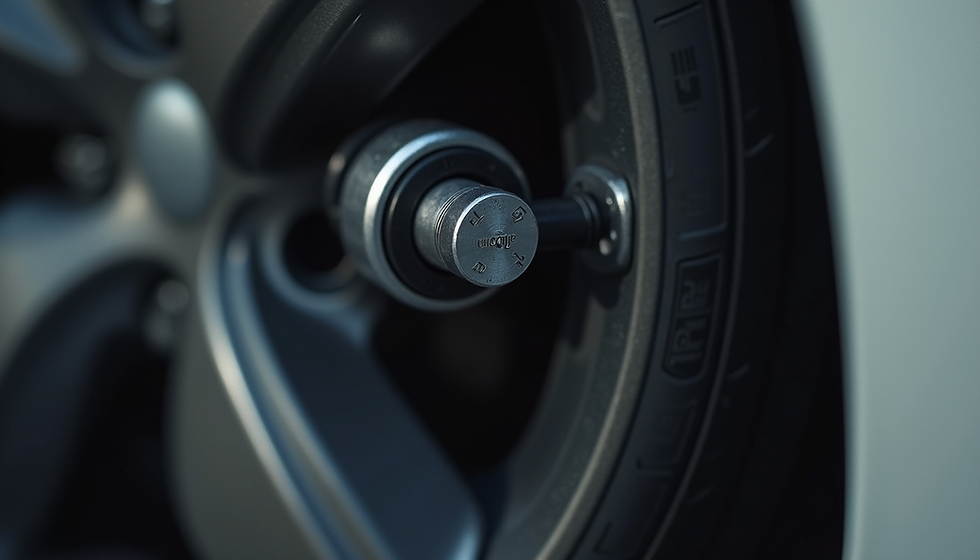
Valve stem issues: The valve stem is where you pump air into your tyre. If it’s damaged or corroded, air can escape without you noticing.
Worn-out tyres: Tyres with thin tread or cracks are more vulnerable to punctures and blowouts.
Improper inflation: Both underinflated and overinflated tyres can cause uneven wear and increase the risk of flats.
Road hazards: Potholes, curbs, and rough terrain can damage your tyres or rims, leading to leaks.
By keeping an eye on these factors, you can reduce the chances of a flat tyre ruining your day.

Flat Tyre Prevention: Simple Steps to Keep You Moving
No one wants to be stuck on the side of the road changing a flat tyre, especially when you’re in a hurry or the weather’s not playing nice. The good news? Flat tyre prevention is easier than you think. Here are some practical tips to help you avoid flats and keep your tyres in top shape:
Regularly check your tyre pressure
Use a reliable tyre pressure gauge to check your tyres at least once a month and before long trips. Properly inflated tyres wear evenly and handle better.
Inspect your tyres for damage
Look for cuts, cracks, bulges, or embedded objects. If you spot anything suspicious, get it checked by a professional.
Rotate your tyres
Rotating your tyres every 10,000 km helps them wear evenly and last longer.
Avoid road hazards
Slow down over potholes and avoid driving too close to curbs.
Invest in a tyre pressure monitoring system (TPMS)
A TPMS alerts you when your tyre pressure drops, so you can act before a flat tyre develops.
Replace old tyres
Tyres older than six years should be inspected regularly and replaced if necessary, even if the tread looks fine.
By following these steps, you’re not just preventing flats—you’re also improving your car’s fuel efficiency and safety.

What is the Number One Cause of Flat Tires?
If you had to pick just one cause of flat tyres, it would be punctures from sharp objects. Nails, screws, and other debris on the road are responsible for the majority of flat tyres. These little nasties can sneak into your tyre tread and cause slow leaks that go unnoticed until you’re stuck with a flat.
Why are these punctures so common? Well, roads aren’t always spotless, and construction zones or busy streets tend to have more debris. Plus, if your tyres are worn or underinflated, they’re more susceptible to damage.
So, what can you do about it? Apart from the prevention tips above, try to avoid parking or driving in areas where there’s visible debris. And if you do pick up a nail, get it repaired promptly—don’t just wait for the tyre to go flat.

How Technology Helps You Stay Ahead of Flat Tyres
Technology has come a long way in helping drivers avoid flat tyres. One of the best tools you can get is a tyre pressure monitoring system (TPMS). This clever gadget keeps an eye on your tyre pressure in real-time and sends alerts if it drops below safe levels.
Why is this a game-changer? Because many flat tyres start as slow leaks that you might not notice until it’s too late. A TPMS gives you a heads-up so you can top up the air or get the tyre checked before it goes flat.
FlatMate-TPMS offers a range of reliable TPMS products designed for drivers in the US and Australia. Investing in one of these systems means you’re taking a proactive step towards safer, hassle-free driving.
Besides TPMS, some modern cars come with run-flat tyres or self-sealing tyres that can keep you going even after a puncture. While these options might cost a bit more upfront, they can save you time and stress down the track.
What to Do When You Get a Flat Tyre
Even with all the prevention in the world, flats can still happen. So, it’s good to know what to do if you find yourself with a flat tyre.
Pull over safely: Find a flat, stable spot away from traffic.
Turn on your hazard lights: Let other drivers know you’re stopped.
Use your car’s jack and spare tyre: Follow your owner’s manual for instructions.
Call for roadside assistance if needed: Don’t hesitate to get help if you’re unsure or it’s unsafe to change the tyre yourself.
Remember, having a flat tyre kit in your boot with a jack, wrench, and a spare tyre is a smart move. It’s like having a safety net for those unexpected moments.
If you want to avoid flats altogether, check out flat tire causes and how you can tackle them head-on with the right tools and knowledge.
Flat tyres might be a pain, but with a bit of know-how and the right gear, you can keep them from spoiling your day. Stay on top of your tyre maintenance, invest in smart tech like TPMS, and you’ll be cruising with confidence. Safe travels!

Comments