Top Car Maintenance Tips for Australian Drivers
- Apr 15
- 4 min read
Picture this: you’re cruising down the highway on a sunny arvo, tunes blasting, feeling pretty chuffed with your ride. Suddenly, your car starts making a weird noise or the dashboard lights up like a Christmas tree. Not exactly the vibe you were going for, right? Keeping your car in tip-top shape doesn’t have to be a headache. With a bit of know-how and some simple steps, you can avoid those annoying surprises and keep your wheels rolling smoothly.
Let’s dive into some practical vehicle upkeep advice that’ll have you feeling confident behind the wheel, whether you’re tackling city traffic or heading out on a weekend road trip.
Why Vehicle Upkeep Advice Matters More Than You Think
You might be thinking, “I’m no mechanic, how hard can it be to look after my car?” Fair call. But here’s the thing - regular maintenance isn’t just about avoiding breakdowns. It’s about safety, saving money, and even helping the environment. A well-maintained car runs better, uses less fuel, and lasts longer. Plus, it’s less likely to leave you stranded in the middle of nowhere.
Here’s a quick rundown of why you should care:
Safety first: Faulty brakes, worn tyres, or low oil can cause accidents.
Save your hard-earned cash: Fixing small issues early is cheaper than major repairs.
Better fuel efficiency: A well-tuned engine drinks less petrol.
Protect the environment: Less pollution from a properly maintained car.
Resale value: A cared-for car fetches a better price when you sell.
So, how do you keep your car in good nick without turning your garage into a mechanic’s workshop? Let’s break it down.

Essential Vehicle Upkeep Advice You Can Start Today
You don’t need to be a car guru to handle basic maintenance. Here are some straightforward tips that’ll make a big difference:
1. Check Your Tyres Regularly
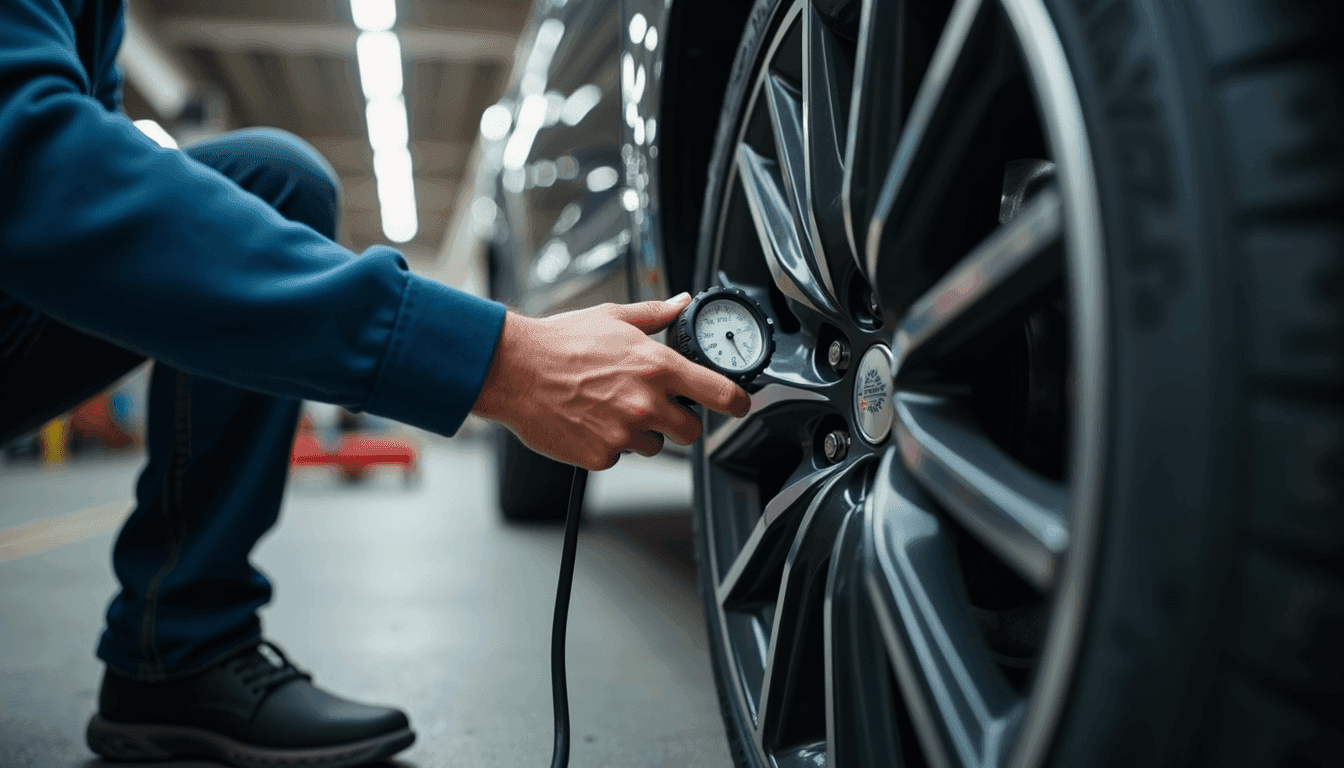
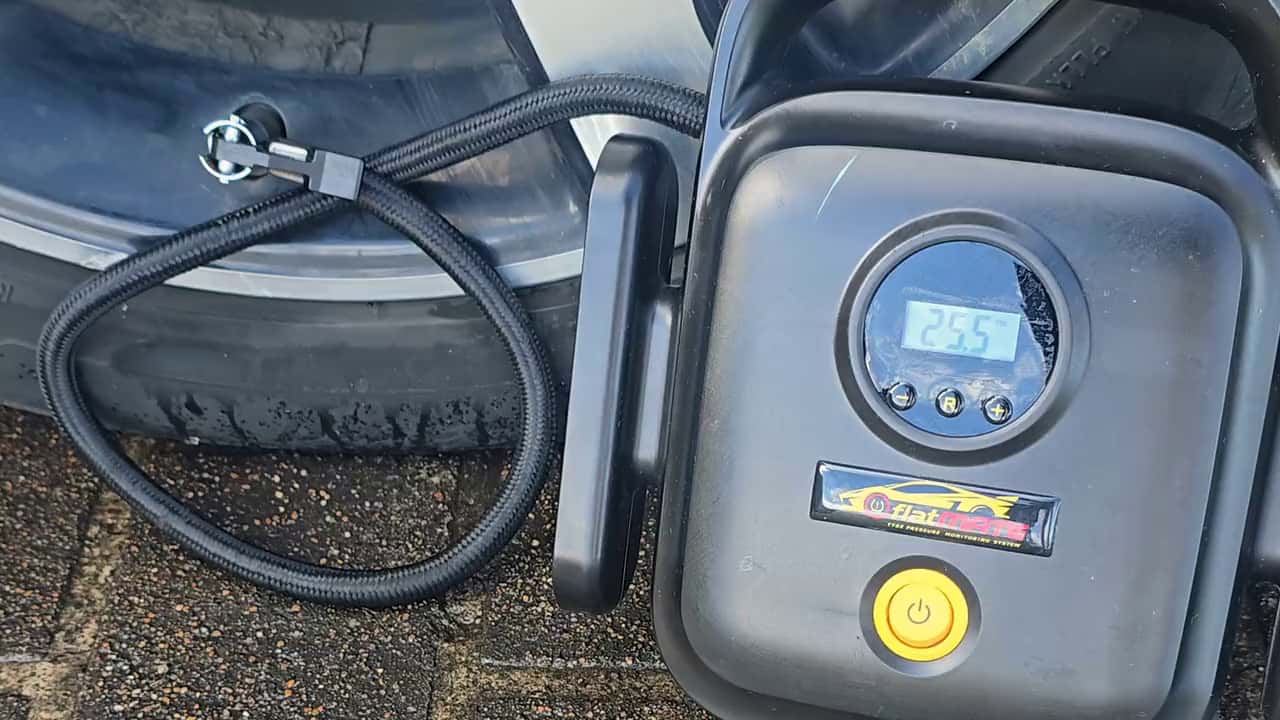
Tyres are your car’s only contact with the road, so keeping them in good shape is crucial. Check the tyre pressure at least once a month and before long trips. Under-inflated tyres wear out faster and can affect handling. Over-inflated tyres can be dangerous too.
Use a reliable tyre pressure gauge.
Inflate tyres to the recommended pressure found in your owner’s manual or on the driver’s door jamb.
Inspect tyres for cuts, bulges, or uneven wear.
Rotate tyres every 10,000 km to ensure even wear.
Don’t forget the spare tyre! Make sure it’s inflated and ready to go.
2. Keep an Eye on Your Fluids
Your car relies on several fluids to run smoothly. Here’s what you should check regularly:
Engine oil: Check the level and colour. If it’s dark or low, it’s time for a change.
Coolant: Keeps your engine from overheating. Top it up if it’s low.
Brake fluid: Essential for safe braking. Low levels can be dangerous.
Windshield washer fluid: Keeps your view clear, especially on dusty Aussie roads.
Top up or replace fluids as needed, and don’t ignore leaks.
3. Change Your Oil and Filters on Time
Oil keeps your engine parts lubricated and prevents wear. Changing your oil and oil filter at the recommended intervals is one of the best ways to extend your engine’s life. Check your owner’s manual for the schedule, but a good rule of thumb is every 10,000 to 15,000 km or once a year.
4. Test Your Lights and Signals
Driving without working lights is not only unsafe but illegal. Check your headlights, brake lights, indicators, and reverse lights regularly. Replace any burnt-out bulbs immediately.
5. Keep Your Battery Healthy
Car batteries can be tricky, especially in extreme heat or cold. Look out for signs like slow engine cranking or dim lights. Clean any corrosion on the terminals and ensure the battery is securely mounted. If your battery is over three years old, consider getting it tested.

What is the 30-60-90 Rule for Cars?
Ever heard of the 30-60-90 rule? It’s a handy guideline for car maintenance that breaks down what you should do at different mileage milestones:
30,000 km: Time for a thorough check-up. Replace air filters, inspect brakes, and check suspension.
60,000 km: Change spark plugs, timing belt (if applicable), and inspect the cooling system.
90,000 km: Major service time. Replace transmission fluid, check fuel system, and inspect exhaust.
Following this rule helps you stay ahead of wear and tear, preventing costly repairs down the track. It’s like giving your car a health check-up at regular intervals.
How to Spot Problems Before They Get Serious
You don’t need fancy tools to notice when something’s off. Here are some signs to watch for:
Strange noises: Squealing brakes, knocking engine, or grinding gears.
Vibrations: Shaking steering wheel or car body.
Warning lights: Don’t ignore those dashboard alerts.
Leaks: Puddles under your car could mean trouble.
Smells: Burning, fuel, or mouldy odours.
If you notice any of these, get your car checked sooner rather than later. Early detection saves you time, money, and stress.
Why Investing in a Tyre Pressure Monitoring System (TPMS) is a Smart Move
One of the best ways to keep your car safe and efficient is by monitoring your tyre pressure constantly. That’s where a Tyre Pressure Monitoring System (TPMS) comes in handy. It alerts you if your tyre pressure drops below the safe level, helping you avoid flats and blowouts.
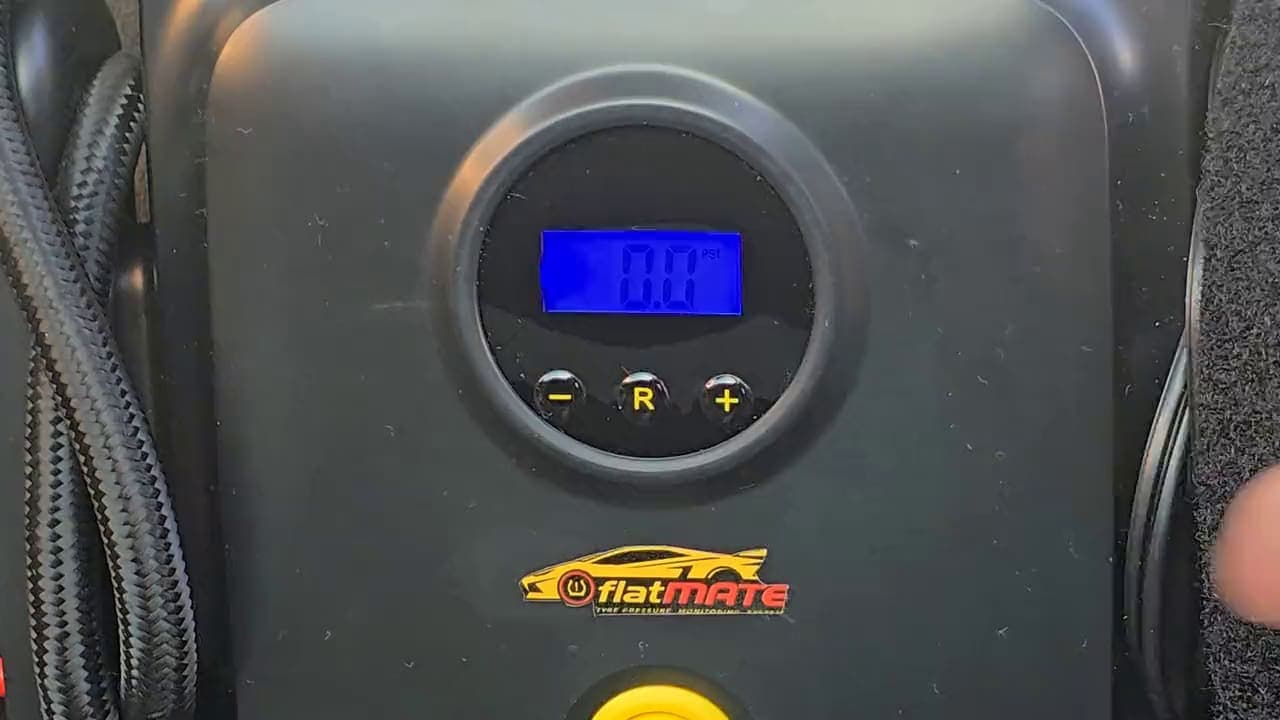
FlatMate-TPMS offers reliable, easy-to-install systems that suit Aussie drivers perfectly. With a TPMS, you get peace of mind knowing your tyres are always in good nick, which means safer trips and better fuel economy.
If you want to learn more about how to keep your car in great shape, check out these car maintenance tips for more detailed advice.
Keep Your Car Happy, Keep Yourself Happy
Taking care of your car doesn’t have to be a chore. With a bit of regular attention and some simple habits, you’ll avoid those “oh no” moments and enjoy smoother, safer drives. Remember, your car is an investment - treat it well, and it’ll reward you with years of reliable service.
So next time you’re out and about, take a moment to check your tyres, top up your fluids, or just give your car a quick once-over. Your future self (and your wallet) will thank you.
Happy driving, mate!


Comments