top of page
Search

Finding the Best TPMS in Australia: Top TPMS Options in Australia

  • Apr 15
  • 5 min read

Picture this: You’re cruising down the highway on a sunny arvo, tunes blasting, and suddenly your dashboard flashes a warning light. Yep, it’s your tyre pressure monitoring system (TPMS) telling you one of your tyres is low. Annoying, right? But also a lifesaver. That little alert can stop you from getting a flat tyre or worse, an accident. So, how do you find the best TPMS in Australia that suits your ride and keeps you safe without breaking the bank? Let’s dive in and sort it out together.


Why You Need a TPMS in Your Car


You might be thinking, “Do I really need a TPMS?” Well, mate, if you want to avoid unexpected tyre blowouts, improve fuel efficiency, and extend your tyre life, the answer is a big yes. Tyres lose pressure naturally over time, and sometimes it’s hard to spot the difference just by looking. A TPMS keeps an eye on your tyre pressure 24/7 and alerts you if something’s off.


Here’s why it’s a smart move:


  • Safety first: Under-inflated tyres can cause poor handling and longer braking distances.

  • Save money: Properly inflated tyres last longer and use less fuel.

  • Convenience: No more guessing or manually checking tyre pressure every week.

  • Legal compliance: Some newer cars in Australia come with TPMS as standard, and it’s becoming a must-have.


So, whether you’re a daily commuter or a weekend road tripper, a TPMS is a handy gadget to have.


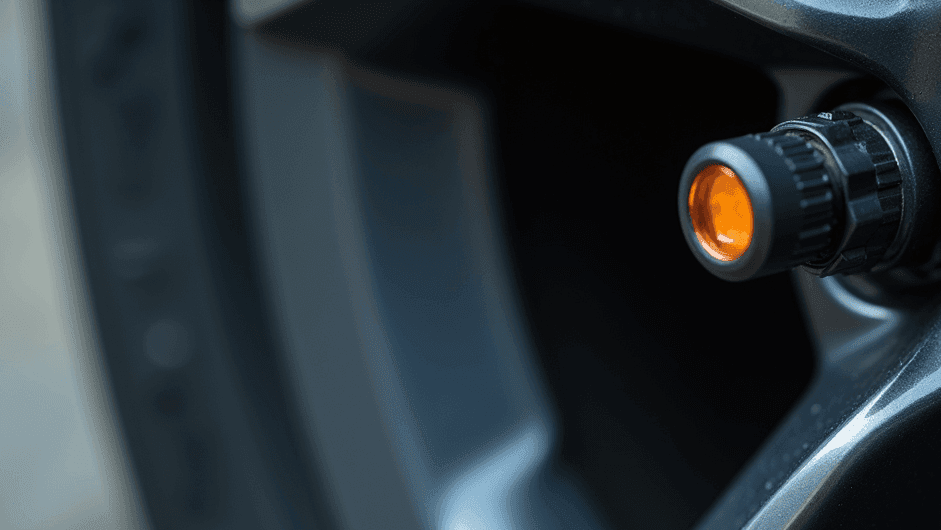
Close-up view of a car tyre pressure sensor installed on a wheel
TPMS sensor on car tyre

Top TPMS Options in Australia


Now, let’s get to the good stuff. What are the top TPMS options in Australia? There’s a bunch out there, but I’ll break down some of the best choices based on reliability, ease of use, and value for money.


1. Direct TPMS vs Indirect TPMS


First off, you need to know there are two main types of TPMS:


  • Direct TPMS: These use sensors inside each tyre to measure pressure directly. They’re more accurate and give real-time data.

  • Indirect TPMS: These don’t measure pressure directly but use your car’s ABS sensors to estimate tyre pressure based on wheel speed differences. They’re cheaper but less precise.


If you want the best protection, go for a direct TPMS. It’s worth the investment.


2. FlatMate TPMS


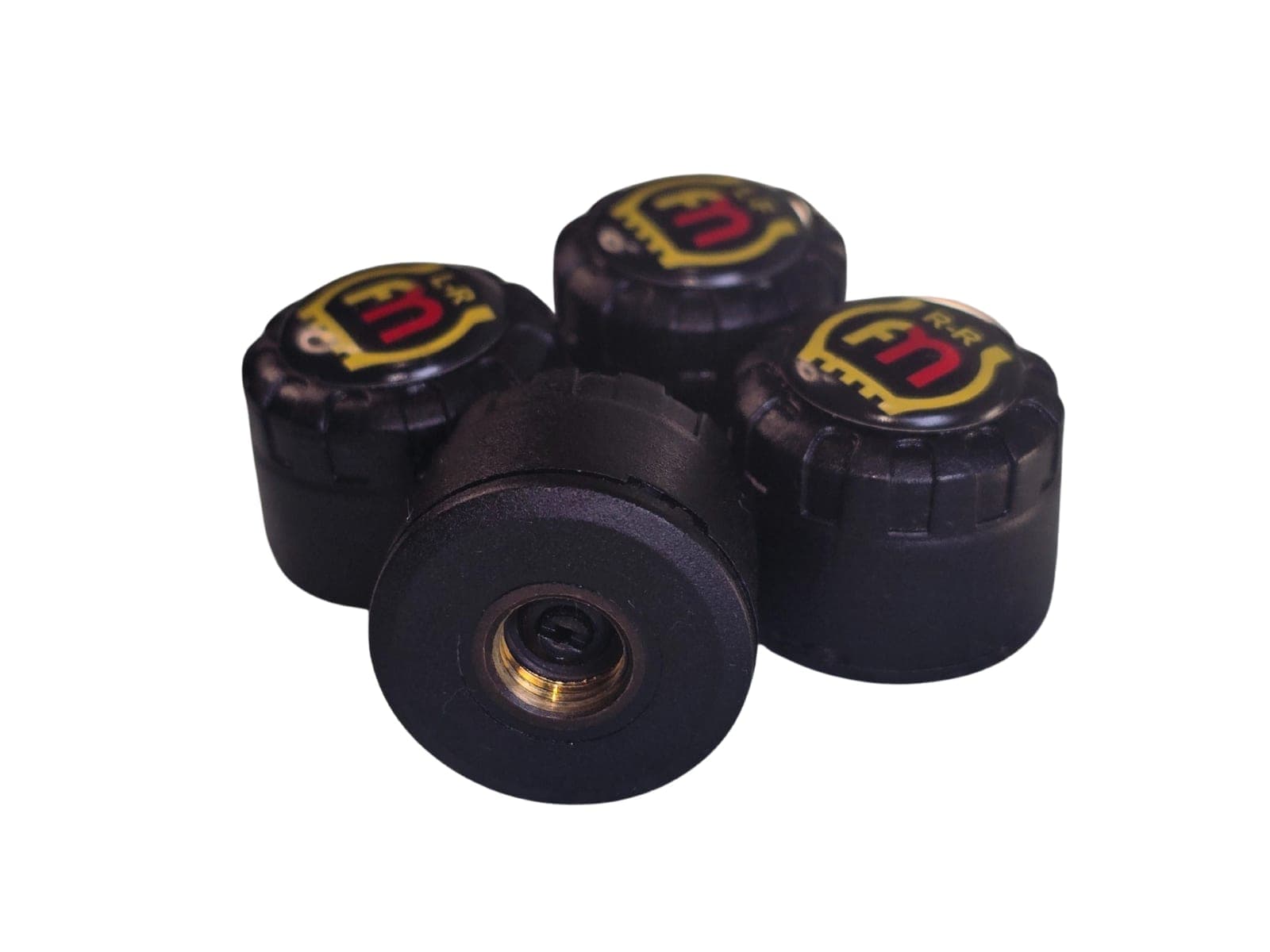
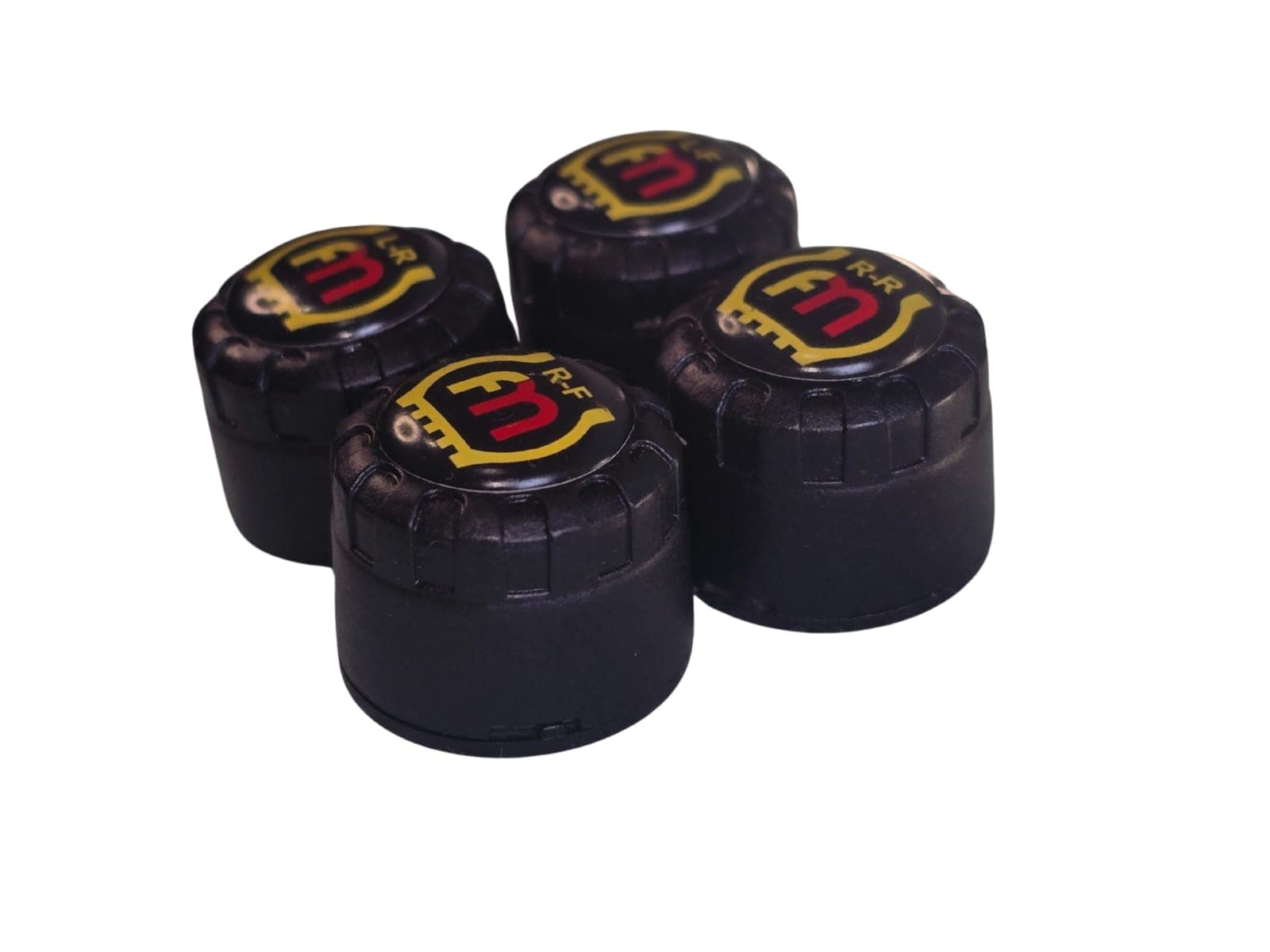
FlatMate is a popular choice here in Australia. It’s designed specifically for Aussie drivers and offers:


  • Easy installation with external sensors that screw onto your tyre valves.

  • Real-time pressure and temperature monitoring.

  • A clear LCD display for quick checks.

  • Alerts for low pressure, high temperature, and sensor battery life.

  • Compatibility with most cars, SUVs, and light trucks.


FlatMate’s user-friendly design means you don’t need to be a mechanic to set it up. Plus, it’s a great way to avoid flat tyres and keep your journeys safe.


3. Steelmate TPMS


Steelmate is another solid option, known for its durability and accuracy. Features include:


  • Internal sensors for precise pressure readings.

  • Wireless display with backlight for night driving.

  • Customisable alerts and easy sensor replacement.

  • Good battery life and waterproof sensors.


Steelmate suits drivers who want a more permanent TPMS solution and don’t mind a bit of professional installation.


4. VDO TPMS


VDO is a trusted brand worldwide, and their TPMS kits are no exception. Highlights:


  • High-quality sensors with long battery life.

  • User-friendly display units with multiple vehicle profiles.

  • Fast and accurate pressure and temperature alerts.

  • Suitable for passenger cars and light commercial vehicles.


VDO’s reputation for reliability makes it a favourite among Aussie drivers who want peace of mind.


5. Autel TPMS


If you’re after a TPMS with advanced features, Autel offers:


  • Sensors that can be programmed and reprogrammed.

  • Diagnostic tools to check sensor status.

  • Smartphone app integration for easy monitoring.

  • Robust build quality and accurate readings.


Autel is perfect if you like tech-savvy gadgets and want to keep tabs on your tyres from your phone.


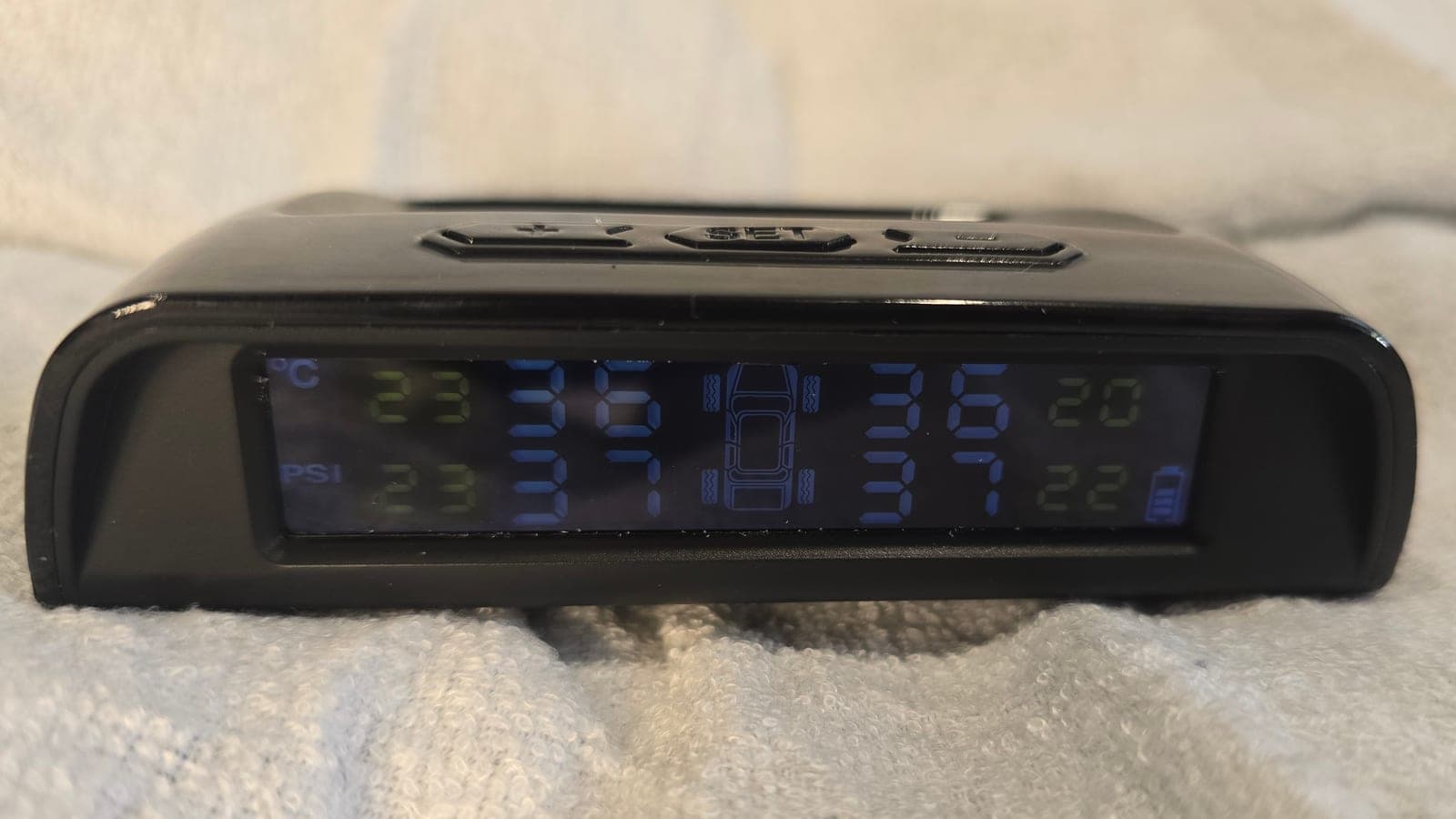
Eye-level view of a TPMS display unit showing tyre pressure readings
TPMS display unit with tyre pressure data

How to Choose the Right TPMS for Your Car


Choosing the best TPMS isn’t just about picking the fanciest model. Here’s a simple step-by-step guide to help you decide:


  1. Check your vehicle compatibility: Some TPMS kits are designed for specific car models or tyre sizes. Make sure the one you pick fits your ride.

  2. Decide on sensor type: Do you want external sensors that are easy to install or internal sensors that require professional help but offer better accuracy?

  3. Consider your budget: TPMS prices vary widely. Set a budget but remember that cheaper isn’t always better when it comes to safety.

  4. Look for user-friendly features: A clear display, easy alerts, and simple installation can save you heaps of hassle.

  5. Read reviews and ratings: See what other Aussie drivers say about the product’s reliability and customer service.

  6. Think about battery life and maintenance: Sensors with longer battery life mean less frequent replacements.

  7. Check warranty and support: Good after-sales support can be a lifesaver if you run into issues.


By following these steps, you’ll find a TPMS that fits your needs and keeps your tyres in top shape.


Installation Tips and Maintenance for Your TPMS


Once you’ve got your TPMS, you’ll want to make sure it works smoothly. Here are some handy tips:


  • Installation: If you’re using external sensors like FlatMate, installation is usually a breeze. Just screw them onto your tyre valves and sync with the display. For internal sensors, it’s best to get a professional to install them to avoid damaging your tyres.

  • Calibration: Some TPMS need calibration after installation. Follow the instructions carefully or ask your mechanic for help.

  • Regular checks: Keep an eye on the display and respond promptly to any alerts.

  • Battery replacement: Sensor batteries don’t last forever. Check the battery status regularly and replace when needed.

  • Avoid damage: Be careful when changing tyres or rotating them to avoid damaging the sensors.

  • Keep sensors clean: Dirt and grime can affect sensor performance, so wipe them down occasionally.


With a bit of care, your TPMS will keep working reliably for years.


Why Buying from a Trusted Source Matters


When you’re shopping for tyre pressure monitoring systems australia, it’s tempting to grab the cheapest option from anywhere. But buying from a trusted online store like FlatMate-TPMS means you get:


  • Genuine, high-quality products designed for Australian conditions.

  • Expert advice tailored to your vehicle and driving habits.

  • Reliable customer support if you need help with installation or troubleshooting.

  • Warranty and return policies that protect your purchase.

  • Peace of mind knowing you’re investing in your safety.


So, don’t just settle for any TPMS. Choose one that’s backed by a reputable supplier who understands your needs.


Keep Your Tyres Happy and Your Journeys Safe


At the end of the day, a good TPMS is like a mate watching your back on the road. It helps you avoid flat tyres, saves you money on fuel, and keeps your family safe. Whether you pick FlatMate, Steelmate, VDO, or Autel, the key is to get a system that fits your car and lifestyle.


Remember, tyre pressure isn’t something to take lightly. A little attention now can save you from a big headache later. So, why not give your tyres the care they deserve? Your car will thank you, and so will your wallet.


Ready to find the perfect TPMS for your ride? Check out trusted options and get rolling with confidence today!


Comments


Melbourne, Australia

P: +61 0426 685 249

E: Info@flatmate-TPMS.com

 Information

© 2026 by Flatmate. All Rights Reserved.

Follow us on social

  • Facebook
  • Instagram
  • TikTok
  • YouTube
bottom of page