


Finding the Best TPMS in Australia: Top TPMS Options in Australia
- Apr 15
- 4 min read
Picture this: You’re cruising down the highway on a sunny arvo, tunes blasting, and suddenly your dashboard flashes a warning light. Yep, it’s the dreaded tyre pressure alert. You pull over, check your tyres, and realise one’s a bit flat. Not ideal, right? That’s where a good Tyre Pressure Monitoring System (TPMS) comes in handy. It’s like having a mate who keeps an eye on your tyres for you, so you can focus on the road ahead.
If you’re on the hunt for the best TPMS in Australia, you’re in the right spot. Let’s have a yarn about what makes a top-notch TPMS, the best options available Down Under, and how to pick one that suits your ride and lifestyle.
Why You Need a TPMS: More Than Just a Warning Light
You might be thinking, “Do I really need a TPMS? I can just check my tyres myself.” Fair call, but here’s the thing: tyre pressure can drop slowly and sneakily. You might not notice until it’s too late. Under-inflated tyres can cause:
Poor fuel efficiency (hello, extra trips to the servo)
Increased tyre wear (costly replacements, no thanks)
Reduced handling and braking performance (safety first, mate)
Higher risk of blowouts (yikes!)
A TPMS keeps you in the loop in real-time. It alerts you before things get serious, saving you money and keeping you safe. Plus, it’s a handy gadget that takes the guesswork out of tyre maintenance.
Top TPMS Options in Australia: What’s Worth Your Bucks?
Now, let’s get into the nitty-gritty. There are heaps of TPMS brands and models out there, but not all are created equal. Here are some of the top TPMS options in Australia that combine reliability, ease of use, and value for money.
1. FlatMate TPMS
FlatMate is a popular choice for Aussie drivers. It’s designed with local roads and conditions in mind, which means it’s tough enough for the Outback and sensitive enough for city driving. Features include:
Real-time pressure and temperature monitoring
Easy installation with external sensors
Clear LCD display for quick readings
Alerts for low pressure, high temperature, and sensor battery life
FlatMate’s user-friendly design makes it a winner for those who want straightforward, reliable monitoring without the fuss.
2. FOBO Tire Plus
FOBO is a smart TPMS that connects to your smartphone via Bluetooth. It’s perfect if you love tech and want to keep everything on your phone. Highlights:
Wireless sensors that screw onto your tyre valves
Real-time pressure and temperature updates on your phone
Customisable alerts and notifications
Long battery life (up to 2 years)
FOBO is great for people who want a sleek, modern system with app integration.
3. Steelmate TPMS
Steelmate offers a range of TPMS kits that suit different vehicles, from sedans to SUVs and trucks. They’re known for:
Accurate pressure and temperature readings
Both internal and external sensor options
Easy-to-read LCD monitors
Affordable pricing
Steelmate is a solid choice if you want flexibility and reliability without breaking the bank.

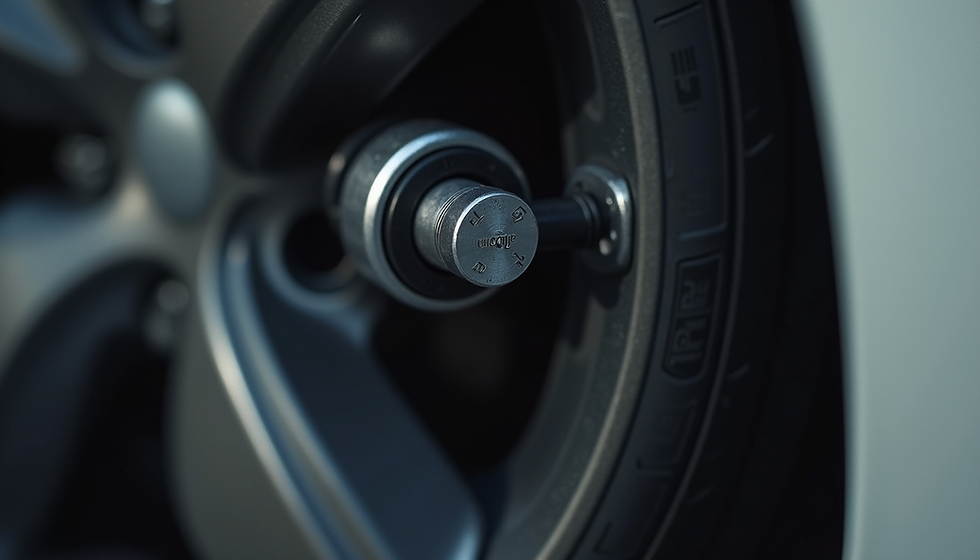
Caption: Close-up of a TPMS sensor securely attached to a car tyre valve, ready to monitor pressure.
How to Choose the Right TPMS for Your Car
Choosing the right TPMS can feel a bit overwhelming, but it doesn’t have to be. Here’s a simple step-by-step guide to help you pick the best one for your needs:
Step 1: Know Your Vehicle Type
Different vehicles have different requirements. A compact car might do well with external sensors, while a 4WD or truck might need internal sensors for better protection.
Step 2: Decide on Sensor Type
Internal sensors sit inside the tyre and provide more accurate readings but require professional installation.
External sensors screw onto the valve stem and are easier to install but can be more vulnerable to damage or theft.
Step 3: Consider Your Budget
TPMS prices vary widely. Set a budget but remember that investing in a quality system can save you money on tyre repairs and fuel in the long run.
Step 4: Look for User-Friendly Features
Clear display or smartphone app compatibility
Easy installation and sensor replacement
Reliable alerts and notifications
Step 5: Check Battery Life and Maintenance
Long battery life means less hassle. Some sensors have replaceable batteries, while others require sensor replacement when the battery dies.
Installation and Maintenance Tips for Your TPMS
Getting your TPMS up and running is usually straightforward, but a few tips can make the process smoother:
Read the manual carefully before installation.
If you’re using internal sensors, consider professional installation to avoid tyre damage.
Regularly check sensor batteries and replace them as needed.
Keep sensors clean and free from dirt or debris.
Test your system after installation to ensure it’s working properly.
With a bit of care, your TPMS will keep your tyres in check for years to come.

Caption: Eye-level view of a car dashboard displaying a TPMS warning light, indicating low tyre pressure.
Where to Buy Reliable Tyre Pressure Monitoring Systems in Australia
If you’re ready to grab a TPMS, you want to buy from a trusted source that offers quality products and good customer support. One great place to start is tyre pressure monitoring systems australia, where you’ll find a range of options tailored for Aussie drivers.
Buying online means you can compare features, prices, and reviews easily. Plus, many stores offer fast shipping and helpful guides to get you set up quickly.
Keep Your Journey Safe and Smooth with the Right TPMS
At the end of the day, a TPMS is about peace of mind. It’s your silent co-pilot, watching your tyres so you don’t have to. Whether you’re commuting to work, heading out on a road trip, or tackling rugged terrain, having the right TPMS can make all the difference.
So, why wait for that warning light to flash? Get ahead of the game, pick a system that suits your ride, and enjoy safer, smoother drives across Australia.
Remember, a little investment in tyre safety today can save you a lot of hassle tomorrow. Safe travels, mate!


Comments