


Finding Reliable TPMS in Australia: Your Guide to Safer Drives
- Apr 15
- 4 min read
Imagine you're cruising down the highway on a sunny arvo, tunes blasting, and suddenly your dashboard flashes a warning about your tyre pressure. Annoying, right? But that little alert could save you from a flat tyre or worse. That’s where a good Tyre Pressure Monitoring System (TPMS) comes in handy. If you’re scratching your head wondering how to find reliable TPMS in Australia, you’re in the right spot. Let’s have a yarn about what you need to know to keep your wheels rolling safely.
Why You Should Care About TPMS in Australia
You might be thinking, “Do I really need a TPMS?” Well, mate, it’s more important than you might realise. Tyres are the only part of your car touching the road, so keeping them in top shape is crucial. Under-inflated tyres can lead to poor fuel efficiency, uneven wear, and even blowouts. Over-inflated tyres? They can reduce grip and make your ride uncomfortable.
A TPMS keeps an eye on your tyre pressure in real-time and alerts you if something’s off. This means you can fix issues before they turn into costly or dangerous problems. Plus, with Australia’s long drives and varied terrain, having a reliable TPMS is a smart move.
What Makes a TPMS Reliable?
Not all TPMS are created equal. When you’re shopping around, look for these key features:
Accuracy: The system should give precise pressure readings, not just a vague warning.
Ease of Installation: Some systems are plug-and-play, while others might need a mechanic.
Durability: Aussie roads can be tough, so your TPMS needs to handle the heat, dust, and bumps.
Compatibility: Make sure it works with your vehicle’s make and model.
Alerts: Look for clear, easy-to-understand warnings, preferably with both visual and audible signals.
How to Choose the Right TPMS in Australia
Choosing the right TPMS can feel like a minefield, but it doesn’t have to be. Here’s a simple step-by-step guide to help you out:
Check Your Vehicle’s Requirements: Some cars come with built-in TPMS, but if yours doesn’t, check the tyre size and pressure specs.
Decide Between Direct and Indirect TPMS:
Direct TPMS uses sensors inside each tyre to measure pressure. They’re more accurate but can be pricier.
Indirect TPMS uses your car’s ABS system to estimate pressure. They’re cheaper but less precise.
Look for Aussie-Friendly Features: Since you’re driving in Australia, pick a system that can handle the climate and road conditions.
Read Reviews and Ask Around: Other drivers’ experiences can be gold. Look for feedback on reliability and customer service.
Consider Your Budget: TPMS prices vary widely. Remember, investing in safety is always worth it.

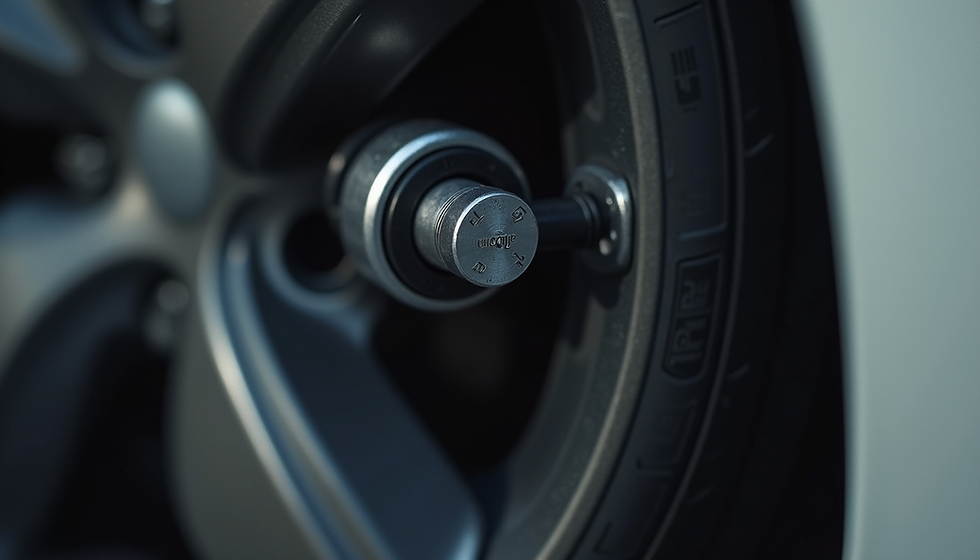
Getting to know your TPMS sensor up close
Installation Tips for Your TPMS
Once you’ve picked your system, installing it properly is key. Here’s how to make sure it’s done right:
DIY or Professional? Some TPMS kits are easy to install yourself, especially if they’re external sensors that screw onto the valve stem. But if you’re unsure, a mechanic can do it quickly and safely.
Calibrate the System: After installation, follow the instructions to calibrate your TPMS. This ensures accurate readings.
Regular Checks: Even with a TPMS, it’s good practice to manually check your tyre pressure every now and then.
Battery Life: Keep an eye on sensor batteries. Some last years, others might need replacing sooner.
Where to Buy Quality TPMS in Australia
Finding a trustworthy supplier is half the battle. You want a place that offers genuine products, good warranties, and helpful customer support. Here are some tips:
Online Stores: Websites specialising in car safety gear often have a wide range of TPMS options. For example, tyre pressure monitoring systems australia offers reliable products tailored for Aussie drivers.
Local Auto Shops: Visiting a local mechanic or tyre shop can give you hands-on advice and installation services.
Compare Prices and Policies: Look for stores with clear return policies and warranty coverage.
Customer Service: A friendly, knowledgeable team can make all the difference if you run into issues.

Checking out TPMS options at your local auto shop
Keeping Your TPMS in Top Shape
Buying and installing your TPMS is just the start. To get the most out of it, you’ll want to keep it in good nick:
Regularly Inspect Sensors: Dirt, damage, or corrosion can affect sensor performance.
Replace Batteries When Needed: Don’t wait for the system to fail before swapping batteries.
Update Software: Some TPMS come with apps or software updates. Keep them current for best results.
Stay Alert to Warnings: Don’t ignore alerts, even if your tyres look fine. It’s better to be safe than sorry.
Your Next Steps for Safer Driving
So, there you have it - a straightforward guide to finding reliable TPMS in Australia. With the right system, you’ll enjoy peace of mind knowing your tyres are in check, your fuel efficiency is better, and your trips are safer. Whether you’re a weekend road tripper or a daily commuter, investing in a quality TPMS is a smart move.
Ready to take the plunge? Start by checking out trusted suppliers like tyre pressure monitoring systems australia and see what fits your ride and budget. Your tyres - and your wallet - will thank you.
Safe travels, mate!


Comments