


Essential Tips for Maintaining Your Car
- Sep 23, 2025
- 4 min read
Picture this: You’re cruising down the highway, windows down, tunes blasting, when suddenly your car starts making a weird noise. Or worse, it just won’t start. Sounds familiar? Keeping your car in tip-top shape doesn’t have to be a headache. With a bit of know-how and some regular TLC, you can avoid those unexpected dramas and keep your ride running smooth for years to come.
Let’s dive into some straightforward, no-fuss car care advice that’ll help you look after your vehicle like a pro. Whether you’re a seasoned driver or a newbie behind the wheel, these tips will save you time, money, and stress.
Why Regular Car Care Advice Matters
You might think, “I only use my car for short trips” or “It’s just a second-hand runabout.” But here’s the thing - every car, no matter how old or new, needs regular attention. Skipping maintenance can lead to bigger problems down the track, like costly repairs or even safety risks.
Regular car care helps you:
Avoid breakdowns by catching issues early
Improve fuel efficiency and save on petrol
Extend your car’s lifespan and resale value
Keep you and your passengers safe on the road
Think of it like your own health check-up. You wouldn’t ignore a persistent cough, right? Same goes for your car.

Simple Steps to Keep Your Car in Great Shape
You don’t need to be a mechanic to do some basic maintenance yourself. Here are some easy, practical steps you can take:
1. Check Your Tyres Regularly
Tyres are your car’s only contact with the road, so keeping them in good nick is crucial. Check the tyre pressure at least once a month and before long trips. Underinflated tyres wear out faster and can affect handling and fuel economy.
Use a reliable tyre pressure gauge.
Inflate tyres to the recommended pressure found in your owner’s manual or on the driver’s door jamb.
Look for uneven wear or cracks, and replace tyres if needed.
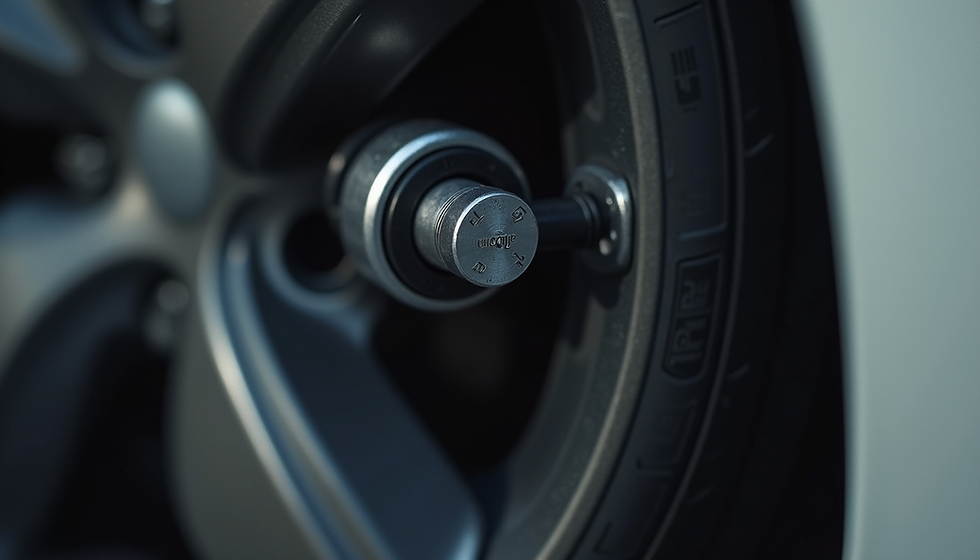
Pro tip: Consider investing in a tyre pressure monitoring system (TPMS) to get real-time alerts about your tyre health.
2. Keep an Eye on Fluids
Your car relies on various fluids to run smoothly. Here’s what to check regularly:
Engine oil: Check the level and colour. If it’s low or looks dirty, it’s time for a change.
Coolant: Keeps your engine from overheating. Top it up if it’s low.
Brake fluid: Essential for safe stopping. If it’s dark or low, get it checked.
Windshield washer fluid: Keeps your view clear, especially on dusty or rainy days.
3. Replace Air Filters
A clogged air filter can reduce engine performance and fuel efficiency. Check your air filter every 12,000 to 15,000 km or as recommended. Replacing it is usually a quick and cheap fix.
4. Test Your Lights
Headlights, brake lights, indicators - they’re all vital for safety. Make it a habit to check them regularly, especially before night drives or bad weather.
5. Listen and Feel for Changes
Your car will often give you hints when something’s off. Strange noises, vibrations, or changes in how it drives shouldn’t be ignored. Early detection can save you a bundle.

Are You Supposed to Tip for Car Maintenance?
Now, here’s a question that pops up more often than you’d think: Should you tip your mechanic or service technician?
In Australia and the US, tipping for car maintenance isn’t a common practice like it is in restaurants or hair salons. Most mechanics and service centres charge a flat rate or hourly fee that covers their work. However, if you feel your mechanic went above and beyond - maybe they squeezed you in last minute or fixed an extra issue without charging - a small tip or a friendly gesture like buying a coffee can be a nice way to say thanks.
Remember, good communication and building a relationship with your mechanic can be just as valuable as tipping. They’re more likely to give you honest advice and quality service when they know you appreciate their work.
When to Call in the Pros
While DIY maintenance is great, some jobs are best left to the experts. Here’s when you should book a service or visit a mechanic:
Strange engine noises or warning lights that you can’t identify
Brake issues like squealing or reduced responsiveness
Transmission problems such as slipping gears or delayed shifts
Suspension troubles like excessive bouncing or pulling to one side
Electrical faults including dead batteries or flickering lights
Regular servicing according to your car’s manual is also key. This usually includes oil changes, filter replacements, and system checks that keep everything running smoothly.
Keep Your Car Safe with Smart Upgrades
Want to take your car care up a notch? Consider these smart upgrades:
Tyre Pressure Monitoring Systems (TPMS): These handy gadgets alert you if your tyre pressure drops, helping prevent flats and blowouts.
Dash cams: Great for recording your drives and providing evidence in case of accidents.
LED headlights: Brighter and more energy-efficient than traditional bulbs.
Car alarms and immobilisers: Extra security to protect your investment.
Investing in these can save you money and hassle in the long run, plus give you peace of mind on the road.

Your Next Steps for Better Car Care
Taking care of your car doesn’t have to be a chore. Start with small, regular checks and build good habits. If you want to dive deeper, check out some car maintenance tips that cover everything from tyre care to engine health.
Remember, a well-maintained car is safer, more reliable, and more enjoyable to drive. So, why not give your vehicle the attention it deserves? Your future self (and your wallet) will thank you.
Happy driving!

Comments