


Essential Tips for Car Maintenance
- Oct 12, 2025
- 4 min read
Picture this: you’re cruising down the highway, windows down, tunes blasting, when suddenly your car starts making a weird noise. Panic sets in. What now? If only you’d kept up with some simple vehicle maintenance advice, you might have avoided this drama altogether. Don’t worry, mate, I’ve got your back. Let’s chat about some straightforward, no-fuss tips to keep your car running smooth as a well-oiled machine.
Why Vehicle Maintenance Advice Matters More Than You Think
You might be thinking, “I’m no mechanic, how hard can it be to keep my car in shape?” Fair call. But here’s the thing: regular maintenance isn’t just about avoiding breakdowns. It’s about saving you time, money, and heaps of stress down the track. Plus, it keeps you safe on the road, which is the real winner.
Think of your car like a pet. It needs regular check-ups, a bit of TLC, and the right fuel to stay happy. Skipping oil changes or ignoring tyre pressure? That’s like feeding your pet junk food and hoping for the best. Not a great plan, right?
Here’s a quick rundown of why you should care:
Safety first: Faulty brakes or worn tyres can be deadly.
Save cash: Fixing small issues early stops big bills later.
Better fuel economy: A well-maintained car sips fuel, not gulps it.
Longevity: Your car will thank you by lasting longer.

Top Vehicle Maintenance Advice You Can Easily Follow
Alright, let’s get into the nitty-gritty. You don’t need to be a gearhead to keep your car in top shape. Here are some practical tips you can start using today:
1. Check Your Tyre Pressure Regularly
Tyres are your car’s only contact with the road, so keeping them in good nick is crucial. Under-inflated tyres wear out faster and can cause poor handling. Over-inflated ones? They’re more prone to blowouts. Use a tyre pressure gauge once a month and before long trips. Your car’s manual or the sticker inside the driver’s door will tell you the right pressure.
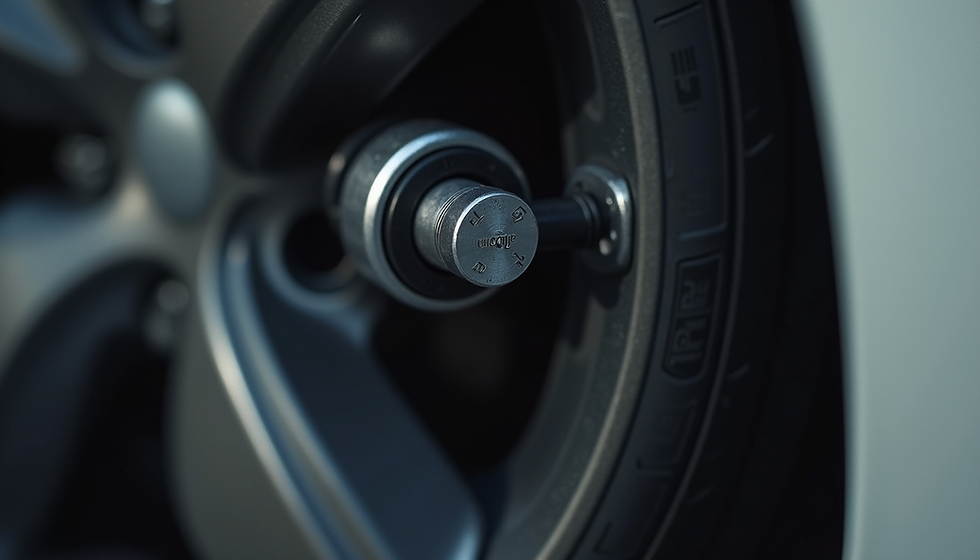
Pro tip: Invest in a tyre pressure monitoring system (TPMS) to get real-time alerts. It’s a smart move, especially if you’re keen on avoiding flat tyres and staying safe.
2. Don’t Skip Oil Changes
Oil is your engine’s lifeblood. It lubricates, cools, and cleans the engine parts. Over time, oil gets dirty and less effective. Changing it regularly keeps your engine humming smoothly. Check your owner’s manual for the recommended interval, but a good rule of thumb is every 5,000 to 7,500 kilometres.
3. Keep an Eye on Your Brakes
Squeaky brakes or a soft pedal? Don’t ignore it. Brakes are a safety no-brainer. Have them inspected at least once a year or if you notice any changes. Replacing brake pads before they’re completely worn out saves you from more expensive repairs.
4. Replace Air Filters
A clogged air filter reduces engine efficiency and fuel economy. It’s a simple fix that you can do yourself or get done at your local mechanic. Check it every 12,000 to 15,000 kilometres.
5. Test Your Battery
Car batteries don’t last forever. If your engine struggles to start or you notice dim lights, it might be time for a new battery. Most batteries last around 3-5 years. Keep the terminals clean and check for corrosion.

Are You Supposed to Tip for Car Maintenance?
Now, here’s a question that pops up more often than you’d think: should you tip your mechanic? Unlike your local barista or hairdresser, tipping in the car maintenance world isn’t a standard practice. Most mechanics charge a flat rate or hourly fee for their work.
That said, if your mechanic goes above and beyond - like squeezing you in last minute or fixing an extra issue without charging - a small tip or a box of chocolates can be a nice gesture. But don’t feel pressured. A genuine “thanks” and positive review online often means more to them.
Remember, good communication and building a relationship with your mechanic can be just as valuable as tipping. They’ll be more likely to look out for you and your vehicle in the long run.
Simple Steps to Keep Your Car Road-Ready All Year Round
Keeping your car in tip-top shape doesn’t have to be a chore. Here’s a handy checklist you can follow seasonally:
Every Month
Check tyre pressure and tread depth.
Inspect lights and indicators.
Look under the car for leaks.
Every 3-6 Months
Change engine oil and filter.
Check brake pads and discs.
Test battery health.
Every 12 Months
Replace air filter.
Flush and replace coolant.
Inspect belts and hoses.
Before Long Trips
Check all fluid levels (oil, coolant, brake, transmission).
Test tyre pressure and condition.
Ensure your spare tyre is inflated and tools are in the car.
By sticking to this routine, you’ll dodge most common car troubles and keep your journeys safe and smooth.

Why Investing in Quality Car Safety Products Pays Off
If you want to take your vehicle maintenance to the next level, consider investing in quality safety products. For example, a reliable tyre pressure monitoring system can alert you to slow leaks before they become a flat tyre nightmare. This kind of tech is especially handy if you drive long distances or on rough roads.
FlatMate-TPMS is a great place to start if you’re after trustworthy gear that helps prevent flat tyres and keeps you safe on the road. It’s all about peace of mind, knowing your car is in good nick and ready for whatever the road throws at you.
So, next time you’re thinking about skipping that quick check or ignoring a weird noise, remember: a little effort now saves a lot of hassle later. And with the right tools and know-how, you’re well on your way to becoming a car maintenance legend.
Ready to dive deeper? Check out more car maintenance tips to keep your ride in top shape and enjoy safer, smoother drives every time.

Comments