


TPMS Sensors
- Nov 20, 2025
- 2 min read
TPMS Sensor Deep Dive: Waterproofing, Balance, and Battery Life
For 4WD and caravan owners, the true test of a TPMS system happens off the bitumen. You need to know your sensors can handle water crossings, high speeds, and the long haul.
Here, the experts at Flatmate-TPMS answer the three most technical questions we get about sensor performance.
1. Are external TPMS sensors waterproof for river crossings? (The 4WD Fear)
This is a massive fear, as water ingress can destroy electronics and lead to tyre failure. While no sensor is designed to be indefinitely submerged, high-quality external sensors are built to manage severe water exposure.
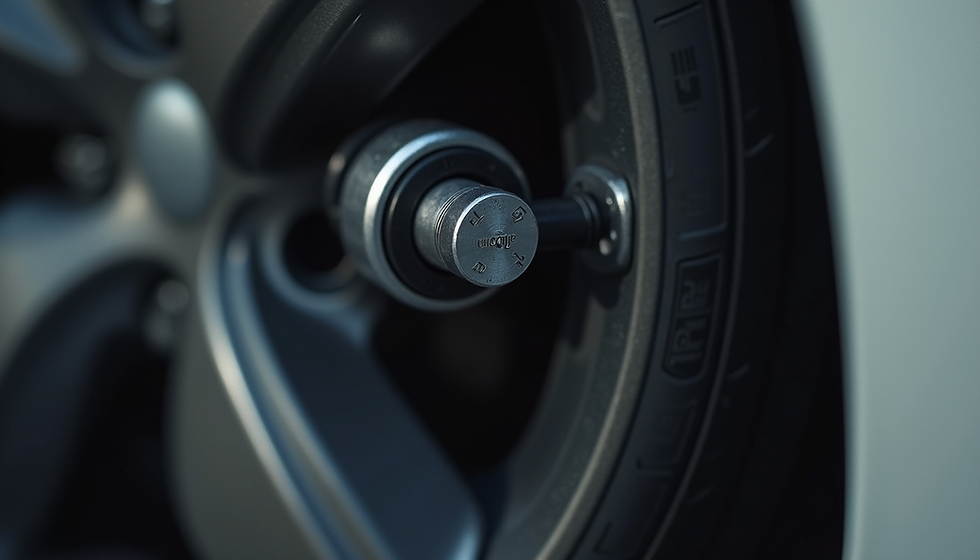
Flatmate Solution: Flatmate external sensors are engineered with secure seals, gaskets, and anti-theft nuts. This robust design is highly water-resistant, making them perfectly capable of handling rain, mud, and typical river crossings experienced during 4WD touring.
The Critical Check: You must ensure the sensor is tightly screwed down onto the valve stem and secured with the anti-theft nut. This creates the vital seal that prevents water from entering and damaging the unit.
2. Will TPMS sensors put my wheels out of balance?
The short answer is: They should not cause noticeable imbalance in normal driving conditions, especially if you use external sensors.
External Sensors (Low Mass): The weight of a small external sensor is generally negligible, often less than 10–15 grams. This small mass is typically offset by the natural tolerances of the tyre and rim.
Internal Sensors (Professional Install): Internal sensors are heavier and require professional balancing after installation. If you choose an internal sensor system, you must ensure your tyre technician uses counterweights to account for the sensor's mass.
3. How long do TPMS sensor batteries last?
The lifespan of TPMS sensors depends entirely on the type of sensor you choose. This affects long-term cost and maintenance effort.
External Sensors: Typically last approximately two years. These use easily replaceable coin batteries, making maintenance simple.
Internal Sensors: Generally last around five years. However, the batteries are not replaceable; the entire sensor must be replaced when the battery dies.
Low-Battery Warning: Your system features a Low-Battery Warning display to alert the user when the sensor battery voltage is low. This ensures you have ample time to replace the battery before the sensor fails.
Final Action Required
Whether you choose external simplicity or internal durability, knowing the limits and maintenance requirements of your sensors is essential for safety.



Comments