top of page
Search

The Essential Guide to TPMS: Protecting Your Tyres and Your Safety

  • Oct 24, 2025
  • 3 min read

Welcome to the Flatmate TPMS blog! Tyre Pressure Monitoring Systems (TPMS) are one of the most vital, yet often overlooked, safety features on your vehicle. Whether you're a daily commuter or an avid caravan traveler, understanding your TPMS is crucial for maintaining vehicle performance and ensuring safety on the road.

Here is a complete guide to everything you need to know about TPMS.


What Does a TPMS Do and Why Is It Important for My Tyres?


A TPMS is a proactive safety feature that acts as a continuous digital guardian for your tyres. It constantly monitors the air pressure and, in some systems, the temperature inside your tyres.

Its primary job is simple: to alert you via a dashboard warning light or digital display if the pressure is dangerously low or high.

The benefits of this constant monitoring are significant:

  • Prevents Tyre Failure: Timely warnings prevent catastrophic blowouts caused by severely underinflated tyres.

  • Extends Tyre Life: Maintaining correct pressure ensures even tread wear, maximising the lifespan of your expensive tyres.

  • Improves Vehicle Handling: Properly inflated tyres ensure your vehicle handles as designed, maintaining grip and stability.

  • Reduces Fuel Consumption: Underinflated tyres create higher rolling resistance, meaning your engine has to work harder, directly increasing your fuel usage.


Decoding the TPMS Warning Light


The warning light is your system’s way of communicating a potential issue. What you need to do depends on how the light behaves:

  • Light Comes On and Stays On: This is the most common scenario and generally means one or more tyres are significantly under-inflated (usually at least 25% below the recommended pressure).

    • Action: You should safely pull over as soon as possible, manually check the pressure of all tyres with a reliable gauge, and inflate them to the manufacturer's recommended pressure.

  • Light Flashes for a Period and Then Stays Illuminated: This indicates a fault with the TPMS system itself. The system cannot accurately read your tyre pressures.

    • Action: You should book an inspection with a mechanic to diagnose and fix the TPMS fault.


The Right Pressure: Where to Find Your Manufacturer's Specs


Knowing what pressure to inflate your tyres to is critical. You should always inflate your tyres to the pressure specified by the vehicle manufacturer, not the maximum pressure listed on the tyre sidewall.

This recommended pressure is usually found on a tyre placard (sticker) located in one of three common spots:

  1. On the driver's side door jamb.

  2. Inside the fuel filler flap.

  3. In your vehicle’s owner’s manual.

Important Note: This pressure is for cold tyres (driven less than a mile) and may be listed in PSI (pounds per square inch) or kPa (kilopascals).


Installing Your TPMS: A Quick Guide (Especially for Aftermarket Systems)


For aftermarket systems like Flatmate TPMS, the installation process is designed to be straightforward:

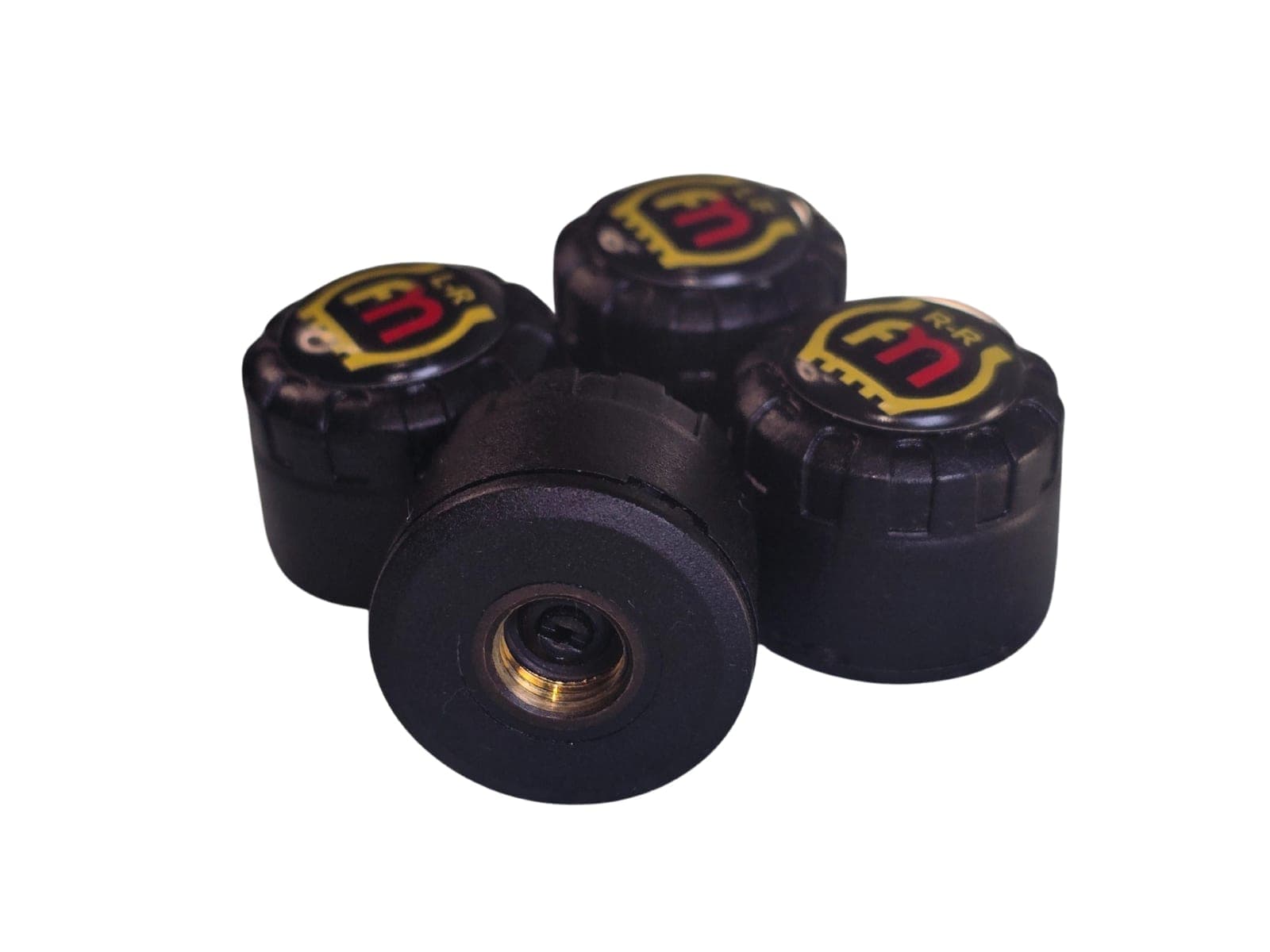
  1. Sensors: Installation involves either screwing external cap sensors onto the tyre valve stems or fitting internal sensors (which should be done by a tyre professional).

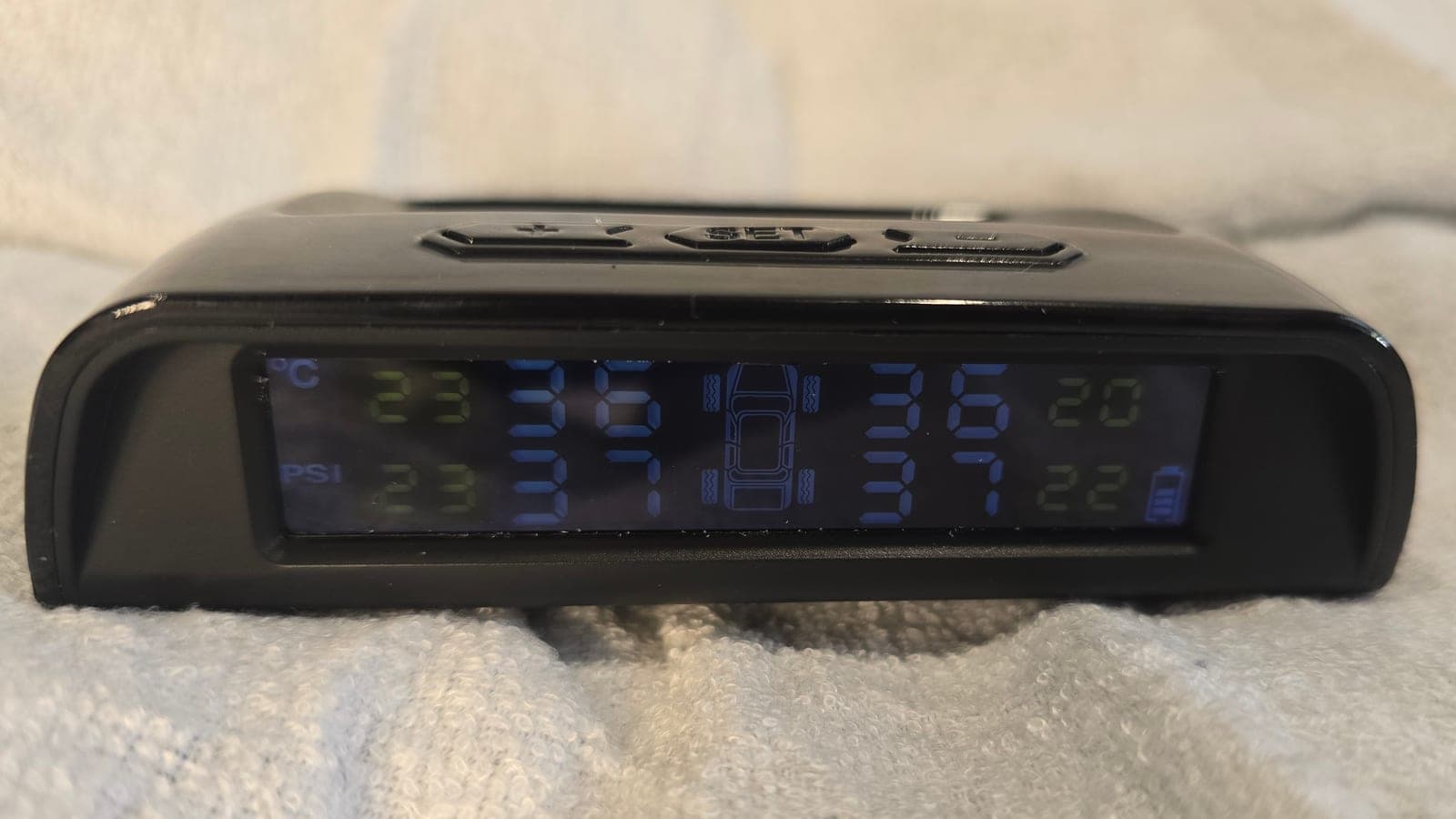
  2. Monitor: Once the sensors are in place, the monitor is paired to the sensors and programmed with your required tyre pressure set points.

Always follow the specific instructions and setup procedures provided by your TPMS manufacturer for best results.


Towing Safety: Do You Need a Repeater?


If you are towing a caravan, large boat, or a long trailer, the answer is often yes.

On long vehicle setups, the distance between the rear tyres of the trailer/caravan and the monitor display in the tow vehicle can be too great. This distance can cause the signal to drop out or be intermittent, leaving you without crucial pressure information.

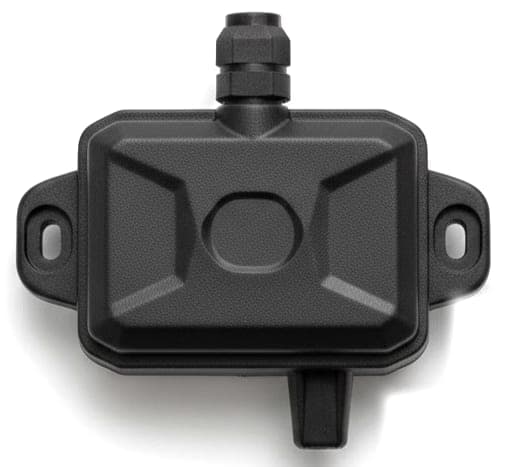
A repeater (or booster) is installed midway along the vehicle or on the trailer chassis to amplify the sensor's signal, ensuring you get continuous and reliable pressure and temperature readings from all axles.


Troubleshooting an Intermittent or Non-Working Sensor


If one of your sensors stops communicating or gives intermittent readings, here’s a quick troubleshooting checklist:

  1. Check the Battery: First, check the sensor's battery. If your system uses replaceable batteries, replace it with a new one.

  2. Check the Range: Ensure the sensor is within range of the monitor. If you have a long vehicle setup, verify the repeater is properly installed and functioning.

  3. Inspect for Damage: Check for any external damage to the sensor housing or valve stem connection.

  4. Re-calibration/Replacement: If the problem persists after checking the above, the sensor may need to be re-calibrated or replaced by a tyre professional.

A reliable TPMS is your first line of defense against tyre failure, protecting your safety and investment. Explore the full range of Flatmate TPMS products today to find the perfect monitoring solution for your vehicle or caravan setup!


Comments


Melbourne, Australia

P: +61 0426 685 249

E: Info@flatmate-TPMS.com

 Information

standard logo

© 2026 by Flatmate. All Rights Reserved.

Follow us on social

  • Facebook
  • Instagram
  • TikTok
  • YouTube
bottom of page