


The Aussie Road Trip Essential | Benefits of a TPMS kit.
- Oct 22, 2025
- 3 min read
Why You Need a TPMS on Your Caravan, Trailer, and Car
If you're an Aussie, chances are your idea of a holiday involves hooking up a caravan or trailer and hitting the open road. Whether you're heading up the coast, tackling the dusty Outback, or just packing the tools for a big job, towing gear means doubling your tyres—and doubling your risk.
That's why a Tyre Pressure Monitoring System (TPMS) isn't a luxury anymore; it's non-negotiable safety kit.
The Problem without a TPMS: Out of Sight, Out of Mind
On your car, you might feel a slow leak or notice a flat when you pull over. But how often do you check the tyres on your caravan or trailer? And more critically, would you feel a slow puncture or a sudden blowout on a rear caravan tyre when you're cruising at 100km/h on a bitumen highway? Probably not until it's too late.
Caravan and trailer tyres are prone to problems for a few reasons:
Heavy Loads: They carry significant weight, putting constant stress on the rubber.
Heat Build-up: Due to heavy loads and high speeds, the tyres generate a lot of heat, which can lead to rapid failure if the pressure is too low.
The "Out of Sight" Factor: A flat on a dual-axle caravan is incredibly difficult to detect from the driver's seat. You could be riding on a shredded tyre for kilometres, causing catastrophic damage to your rig before you even realise.
The TPMS Solution: Real-Time Peace of Mind
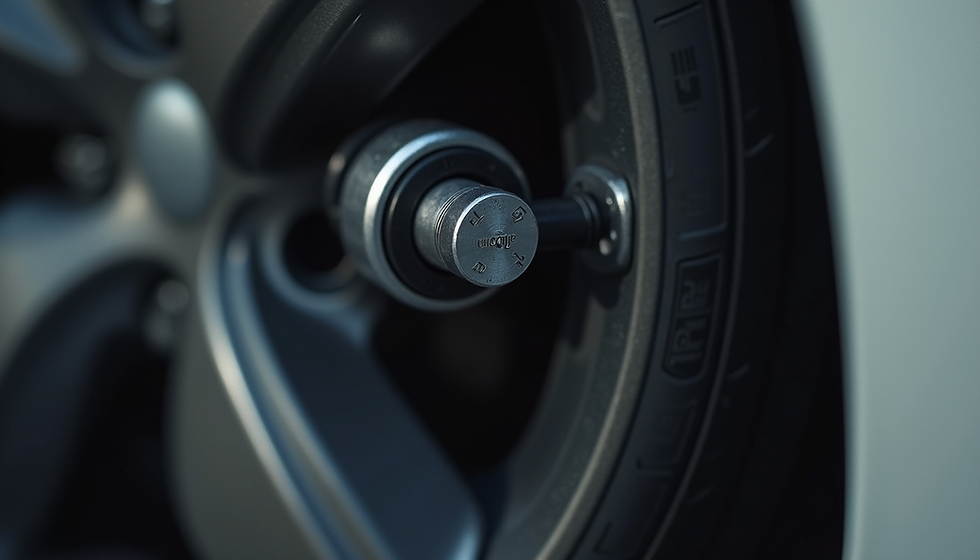
A quality TPMS, like flatMATE, gives you an extra set of eyes on every tyre—from the front of your 4x4 right to the back of your caravan.
Here's why having real-time data on pressure and temperature is an absolute game-changer for every Aussie driver:
1. Safety, Mate (It Could Save a Life)
Blowout Prevention: Under-inflated tyres flex excessively, which creates dangerous heat. This heat is the number one cause of sudden, catastrophic blowouts. A TPMS alarms immediately when pressure drops or temperature spikes, giving you time to pull over safely.
Optimal Handling & Braking: Correct tyre pressure is essential for maintaining proper road contact. Get it wrong, and your caravan could start to sway (the dreaded 'snaking'), drastically increasing your stopping distance and the risk of a roll-over.
2. Save Your Gear and Your Wallet
Extend Tyre Life: Driving on tyres that are just 20% under-inflated can shorten their lifespan by up to 30%! A TPMS helps you maintain the perfect pressure, ensuring your expensive tyres wear evenly across the tread.
Improve Fuel Efficiency: Under-inflated tyres create more rolling resistance, forcing your engine to work harder and guzzle more fuel. Keeping them correctly pumped saves you dosh at the bowser, which is especially important on a long Aussie road trip.
Avoid Catastrophic Damage: Detecting a slow puncture early means the difference between a cheap repair and replacing a completely shredded tyre (and potentially a damaged rim or suspension component on your van).
3. The Towing Advantage
When towing, you often need to run different pressures in your tow vehicle's rear tyres to handle the ball weight. Furthermore, dropping pressures when you hit the gravel or sand is crucial for traction and puncture resistance.
A TPMS allows you to:
Monitor Different Axles: Set unique pressure thresholds for your car's front tyres, rear tyres, and your caravan's tyres—all from one screen.
Reinstate Confidence: After dropping pressures for a stint on an unsealed track, the system gives you a live reminder to reinflate to highway pressures as soon as you hit the bitumen again.
The Verdict - BUY A TPMS
Whether you drive a trusty ute, a family SUV, or a massive 4x4 rig hauling a dual-axle home on wheels, investing in a TPMS is simply the smartest safety decision you can make.
It’s not just about protecting your tyres; it’s about protecting your loved ones and your investment.
Don't wait for disaster to strike on a remote country road. Get smart, get safe, and get the flatMATE TPMS today!
Ready to drive safer? https://www.flatmate-tpms.com/caravan


Comments