
Factory or aftermarket, internal or external, batteries, towing and heat: here's what people want to know before they fit a TPMS.
Watch the video

Want the longer answers?
- What is TPMS, and do you need one?
- Internal vs external TPMS sensors
- Do I need a TPMS booster for my caravan?
- Can your factory TPMS see your caravan?
- TPMS not working? Symptoms, batteries and signal
Or compare every TPMS kit and price.
Questions
Why do I need an aftermarket TPMS if my car already has one?
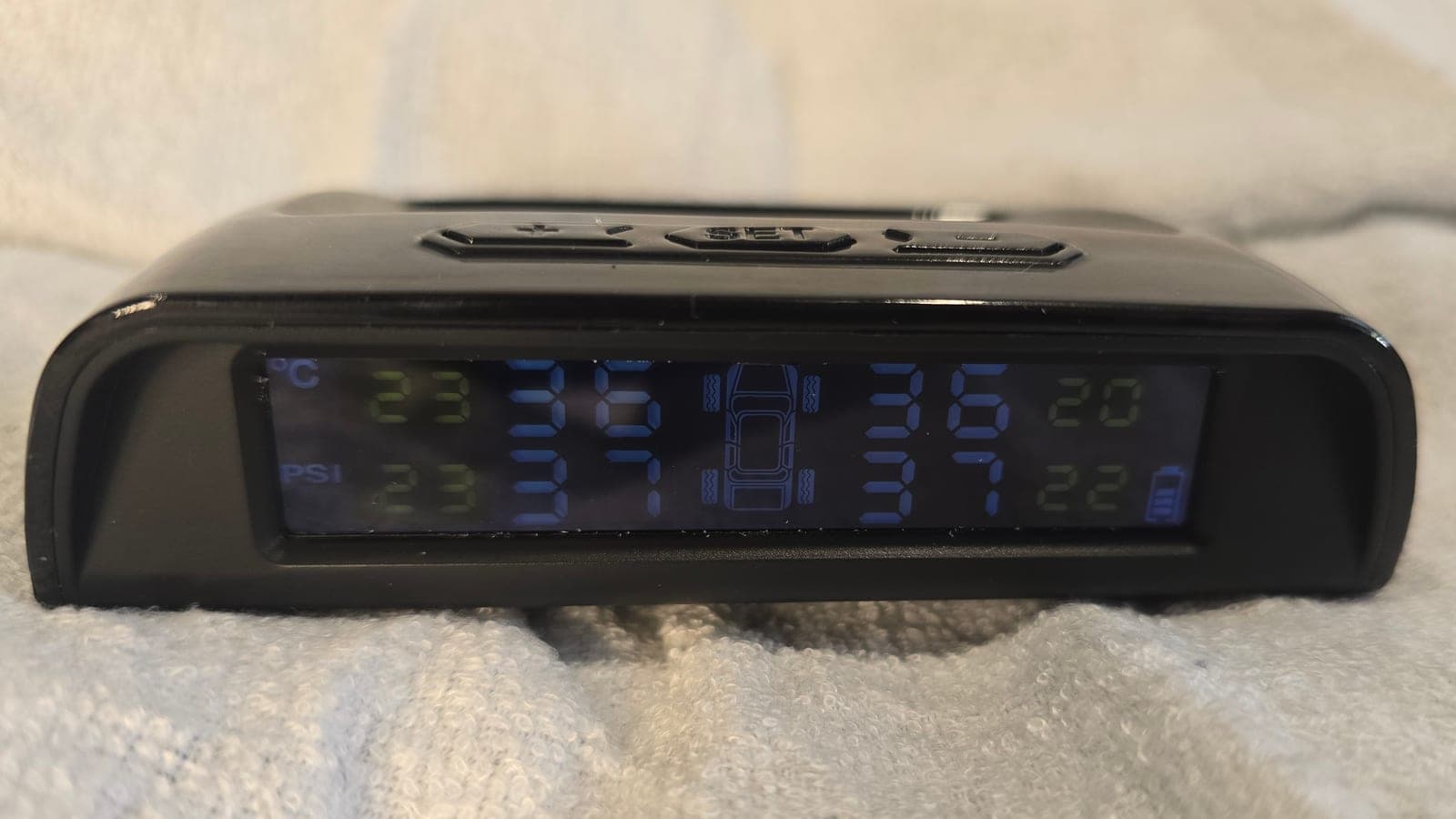
A factory TPMS usually doesn't watch a caravan or trailer, so check your manual. An aftermarket kit puts every tyre, car and van, on one screen with live pressure and temperature.
How do I choose between internal and external TPMS sensors?
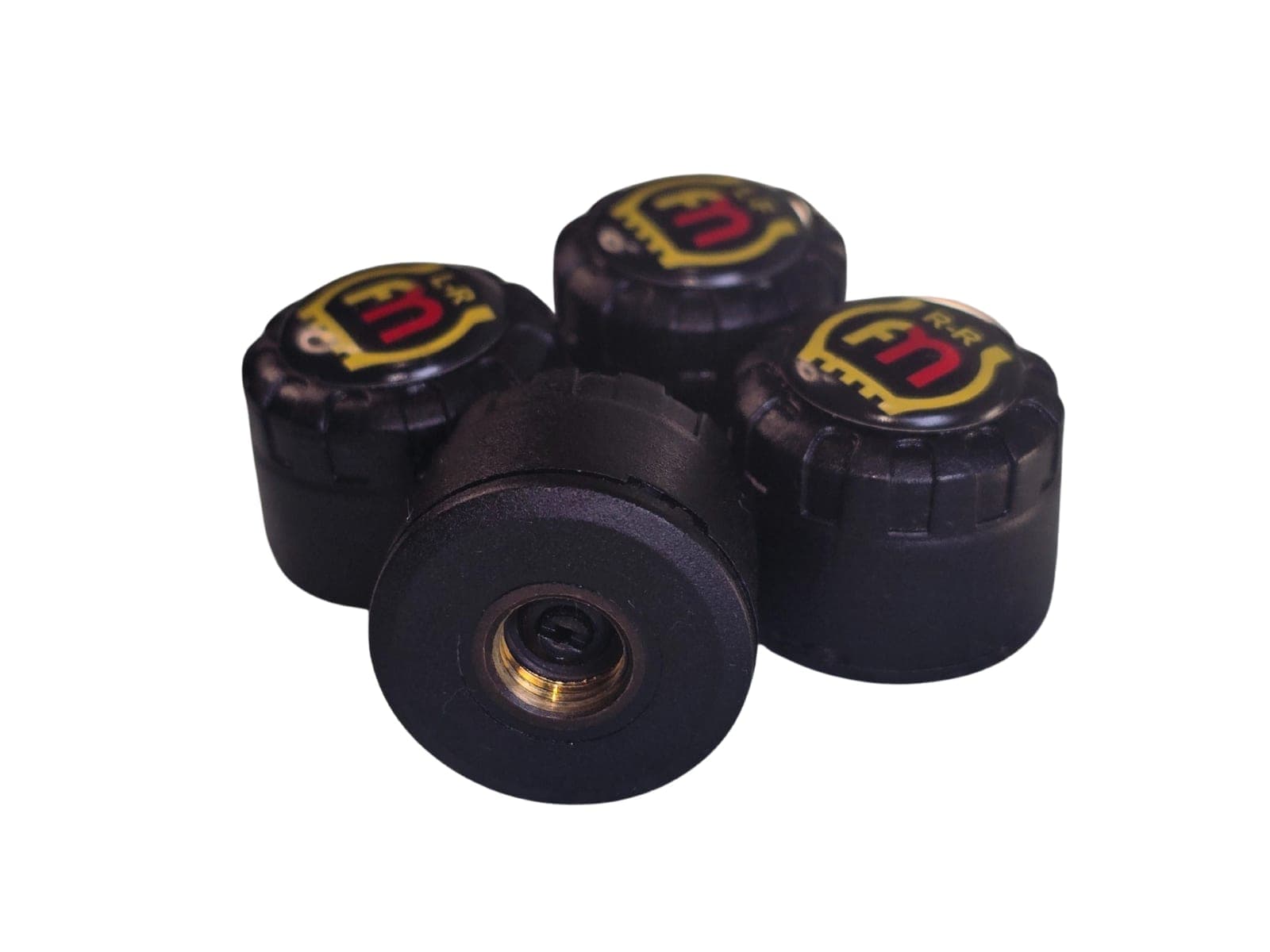
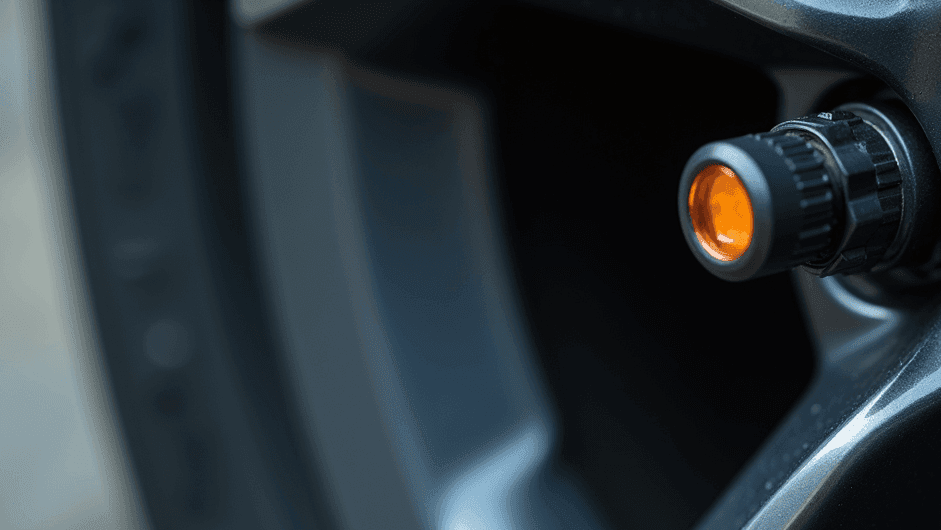
External sensors screw onto the valves, so you fit them yourself and swap the battery yourself. Internal sensors sit inside the tyre, so a tyre shop fits them and balances the wheel. flatMATE kits use external sensors. For internal sensors, email info@flatmate-tpms.com for a quote.
Are aftermarket TPMS readings accurate?
A direct TPMS reads each tyre from its own sensor, so you see a real number for every tyre, not an estimate from wheel speeds. It's still worth checking with a good gauge now and then.
How often do TPMS sensor batteries need replacing?
It depends on the sensor and how much you drive. External sensors take a battery you can swap yourself. Internal sensors are replaced whole when the battery runs down, at a tyre shop.
How does tyre temperature monitoring help?
A tyre or hub running hotter than the rest can point to a slow leak, a dragging brake or a bearing on the way out. Seeing it early means you can pull over and check.
Can one TPMS cover my 4WD and my caravan?
Yes. Count every tyre you want watched, car and van, and pick a kit with that many sensors. One screen shows them all.
Why is my TPMS alarming when the tyre looks fine?
You can't see a pressure drop by eye: a tyre at half its pressure can look normal. Pull over somewhere safe and check it with a gauge.
What pressure range does a TPMS need for towing?
Heavy van tyres often run higher pressures than car tyres. Check that the kit's pressure range covers the figure on your van's placard.
Will external TPMS sensors make my tyres leak?
Not when they're screwed on firmly and the seal sits right. Spray a little soapy water on the valve after fitting: no bubbles means no leak.
How do I fix TPMS signal dropouts when towing a long van?
A booster relays the signal from the van's back tyres to the screen, so they stop dropping out. Whether you need one depends on your rig.
Not sure what your rig needs? Email us your rig: info@flatmate-tpms.com