


Don't Let a Flat Tyre Spoil Your Day: The Top 3 Culprits
- Sep 16, 2025
- 2 min read
There's nothing quite as frustrating as stepping out to your car, ready to start your day, only to find a tyre looking a little... deflated. Flat tyres are a common nuisance for drivers, but understanding the usual suspects behind them can help you prevent future incidents. Let's delve into the three most common reasons for a flat tyre.
1. Punctures: The Unseen Attackers
This is probably the most straightforward cause of a flat tyre. Punctures occur when a sharp object pierces the tyre's rubber and inner layers, allowing air to escape.
Common culprits: Nails, screws, shards of glass, or even sharp rocks are notorious for finding their way into your tyre tread. You might not even notice it happen until much later when your tyre has slowly lost pressure.
What to do: If you suspect a puncture, it's best to have a professional inspect it. Small punctures in the tread can often be repaired, but larger holes or damage to the sidewall usually necessitate a full tyre replacement.
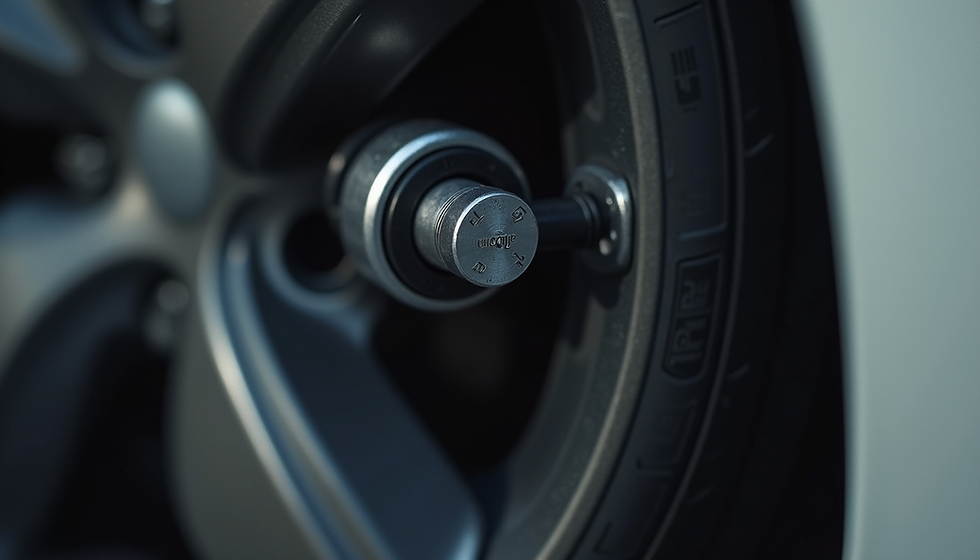
Here's an example of what a common puncture culprit might look like:

2. Valve Stem Leaks: The Silent Escapists
Often overlooked, the valve stem is a small but crucial component that allows air into your tyre and keeps it there. Over time, these stems can degrade, crack, or become loose, leading to a slow and steady leak of air.
Common culprits: Exposure to road salts, chemicals, and general wear and tear can cause the rubber on valve stems to deteriorate. Over-tightening or impacts can also damage them.
What to do: Valve stem leaks are usually simple and inexpensive to fix. A mechanic can quickly replace the faulty stem, sealing the leak and restoring your tyre's pressure.
3. Tyre Bead Leaks: The Seal Breakers
The "bead" of a tyre is the inner edge that sits against the rim of the wheel, creating an airtight seal. If this seal is compromised, air can escape.
Common culprits:
Corrosion: Rust or corrosion on the wheel rim can prevent the tyre bead from seating properly.
Damage: Potholes, curbing, or even aggressive driving can bend or damage the rim, breaking the seal.
Improper Mounting: If a tyre isn't mounted correctly onto the rim, the bead might not seat perfectly, leading to a leak.
Debris: Small pieces of dirt or debris can get trapped between the tyre bead and the rim, disrupting the seal.
What to do: Addressing a bead leak might involve cleaning the rim, repairing minor rim damage, or remounting the tyre. In some cases, a severely damaged rim might need replacement.
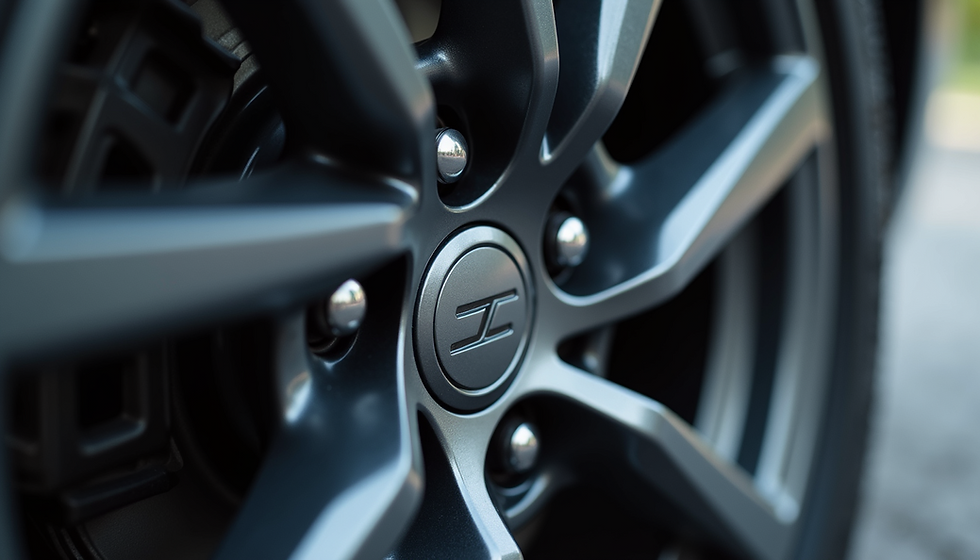
Here's an illustration of where the tyre bead sits against the wheel rim:


Comments